Category: Uncategorized
-
Institutions Harm Children
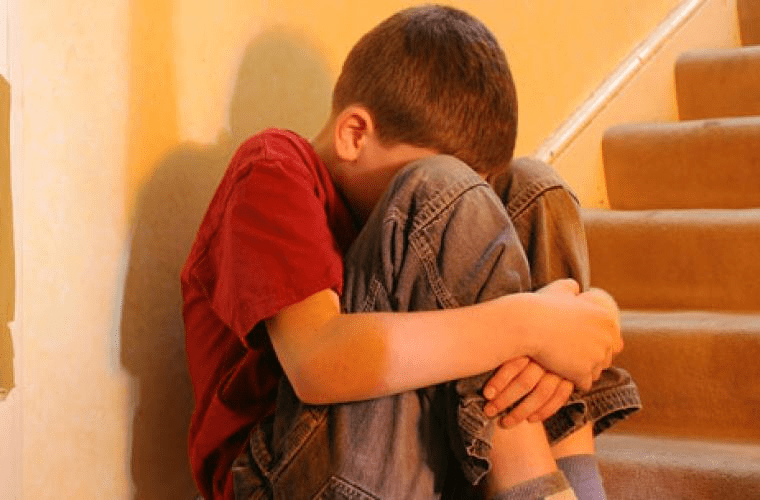
Institutions are not designed for children—and yet millions of children around the world grow up in them. From infancy through adolescence, institutional care exposes children to environments that deny them what they need most: love, stability, and human connection. Even when basic needs such as food and shelter are met, children in institutions often experience neglect, emotional deprivation, and a lack of consistent caregiving.
Children do not develop through routines and regulations; they develop through relationships. Institutional settings, with rotating staff, overcrowding, and rigid schedules, make it almost impossible for children to form secure attachments. Frequent transfers between facilities and constant changes in caregivers disrupt emotional development, impair trust, and leave lasting scars on mental health, learning, and behaviour.
The harm caused by institutionalisation is not inevitable—it is systemic. Institutions prioritise administration over affection and efficiency over empathy. As a result, children are reduced to numbers rather than recognised as individuals with unique emotional needs.
The good news is clear: children are remarkably resilient. When given the opportunity to grow up in families—whether biological, foster, adoptive, or kinship care—they begin to heal, thrive, and reclaim their childhoods. This evidence demands action.
Message
It is time to move away from institutional care and invest decisively in family-based alternatives, community support systems, and policies that place the child—not the institution—at the centre. Ending institutionalisation is not just good policy; it is a moral obligation.
-
Childhood: The Foundation of Life

Childhood is a defining phase of life that shapes who we become as individuals and as members of society. Experiences in the early years leave lasting imprints on a child’s emotional health, cognitive abilities, and social behaviour. When children grow up in environments marked by poverty, neglect, violence, or instability, their development is often compromised in ways that can persist well into adulthood.
Young children depend heavily on caring and consistent relationships to feel safe and to develop resilience. In the absence of such support, prolonged stress can overwhelm a child’s coping capacity, affecting brain development, emotional regulation, and physical health. Conversely, nurturing environments—where children experience love, security, and responsive caregiving—enable curiosity, language development, confidence, and healthy risk-taking.
In today’s rapidly changing world, families face increasing pressures due to urbanisation, economic insecurity, changing family structures, and the demands of a globalised culture. These shifts have weakened traditional support systems that once helped families nurture children. As a result, many children grow up without the stability and guidance they need.
Message
Strengthening early childhood environments is therefore essential. Families, communities, and institutions must work together to promote essential life skills such as self-control, empathy, communication, critical thinking, and resilience. Investing in childhood is not only about protecting children—it is about building a more humane, just, and sustainable society for the future.
-
Justice, Equality & Liberty for Institutionalized Children
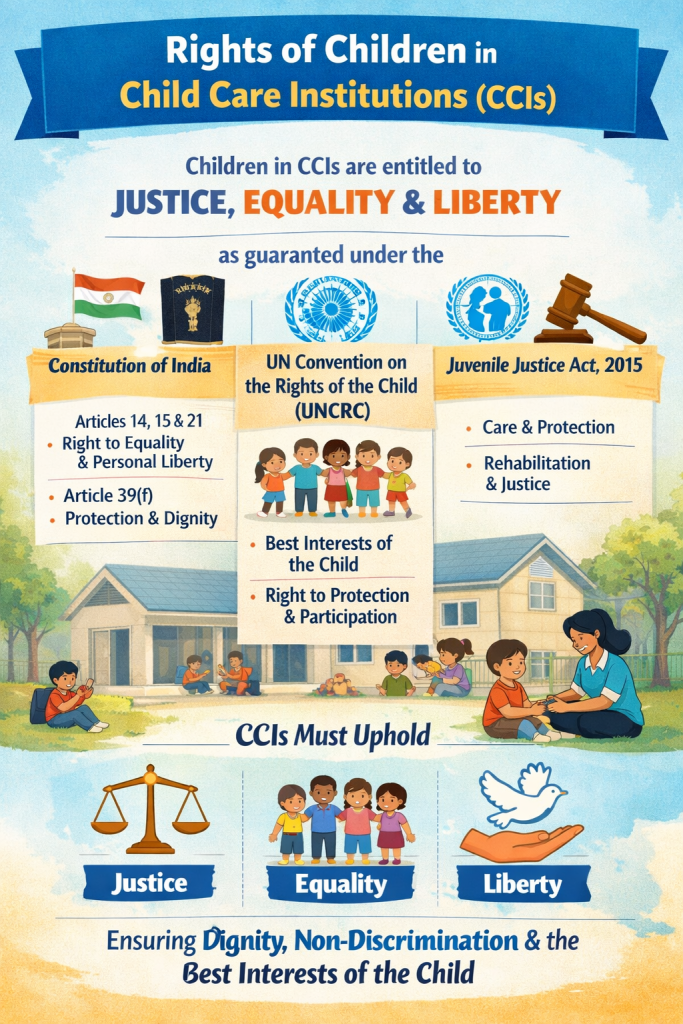
Children residing in Child Care Institutions (CCIs) are entitled to justice, equality, and liberty as fundamental and non-negotiable rights, firmly grounded in the Constitution of India, the United Nations Convention on the Rights of the Child (UNCRC), and the Juvenile Justice (Care and Protection of Children) Act, 2015. Articles 14 and 15 of the Constitution guarantee equality before law and non-discrimination, while Article 21 ensures the right to life and personal liberty with dignity. Article 39(f) further mandates that children be protected against exploitation and provided opportunities for healthy development in conditions of freedom and dignity.
The UNCRC reinforces these constitutional guarantees by affirming the child’s right to survival, development, protection, and participation, and by requiring that the best interests of the child be a primary consideration in all actions concerning children. It emphasizes the child’s right to be heard, protected from abuse and neglect, and supported in achieving their full potential.
The Juvenile Justice Act, 2015 operationalizes these principles within India’s child protection framework by providing a rights-based, child-centric approach to care, protection, rehabilitation, and social reintegration. It mandates that children in CCIs receive humane care, due process, access to justice, and opportunities for family-based or community-based care. Together, these frameworks require CCIs to function not merely as custodial spaces, but as rights-affirming environments that uphold justice, equality, and liberty for every child.
-
Subsidiarity in Adoption
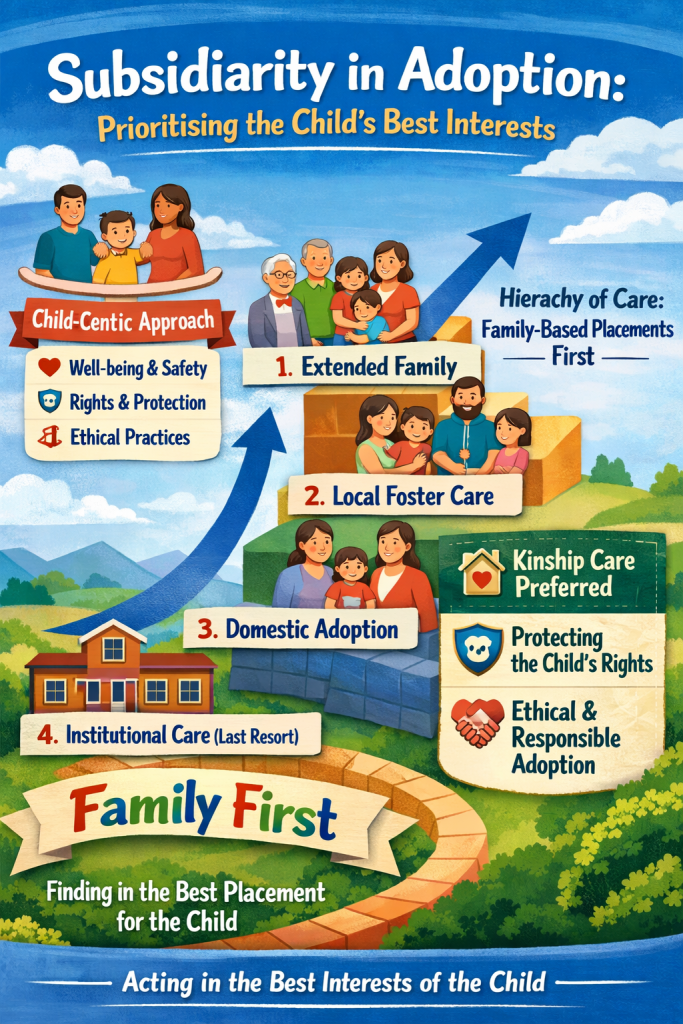
Subsidiarity in adoption refers to the principle of making decisions about a child’s care and
upbringing at the most local and immediate level possible. The adoption process includes
safeguards to protect the child’s rights and well-being. A child-centric approach means that all
decisions and actions should prioritise what is best for a child’s overall well-being, safety, and
development. This principle guides all aspects of adoption, from placement decisions to postadoption support. Collectively, these concepts strive to conduct adoption processes ethically,
responsibly, and with the primary focus on the welfare of the involved child.The principle of subsidiarity emphasises that a child’s placement should follow a hierarchy of
care options, prioritising family-based care over institutionalisation. The policy of exploring
family or kin-based placements before considering unrelated adoptive families aligns well with
the principle of subsidiarity in the context of relative adoptions. -
Every Child Deserves a Loving Family (Volume 2)

I am pleased to share that my book Every Child Deserves a Loving Family (Volume 2) is now officially in distribution and available for sale on major online platforms. This volume builds on the discourse around child welfare, adoption, and family-based care, drawing from policy experience and practice in child protection. It aims to contribute to informed dialogue among practitioners, policymakers, academicians, and civil society stakeholders committed to the best interests of children. The book is available on Amazon India and Flipkart, making it accessible to a wide readership interested in child rights, governance, and social justice.
The book is useful for child protection staff in India and service providers for children in need of care and protection. Here are the links for your book on various sites:
-
Family Matters Most

A family serves as the foundation of socialisation by teaching individuals norms and values. It shapes individual development and community well-being. Family relationships cultivate emotional resilience, moral principles, and social skills. They provide support, security and identity foster individual and collective growth. Family structures form the backbone of communities, nurturing future generations.Human progress is deeply linked to how societies nurture childhood, and family plays a central role in shaping a child’s emotional, social, and moral development. Family provides children with their first sense of belonging, security, and identity. When children do not receive adequate attention and affection—particularly from parents—their emotional needs remain unmet, leading to disconnection and distress. In modern contexts, even families with sufficient resources often struggle to devote time to children, while extended family systems are steadily eroding. The absence of grandparents and relatives, once vital sources of care and guidance, has profound consequences. Similar emotional deprivation is observed among children growing up in institutional care, separated from or abandoned by their families.
Family is the primary environment where children learn social interaction, values, and emotional expression. Through daily relationships, children develop self-esteem, confidence, and resilience. Families also provide economic security and lifelong emotional bonds unmatched by any other social institution. In a rapidly globalising world marked by economic uncertainty, migration, and social change, families face unprecedented pressures that directly affect children’s well-being.
In India, where children constitute nearly 40 per cent of the population, family remains a cornerstone of child development and cultural transmission. Recognising this, public policy has increasingly emphasised family strengthening, prevention of child vulnerability, and institutional care as a last resort. Ensuring that every child grows up in a safe, nurturing family environment is not only a moral imperative but a foundation for an inclusive and humane society.
Message
Investing in family preservation today builds a more resilient, humane society for generations to come.
-
Six Parenting Secrets
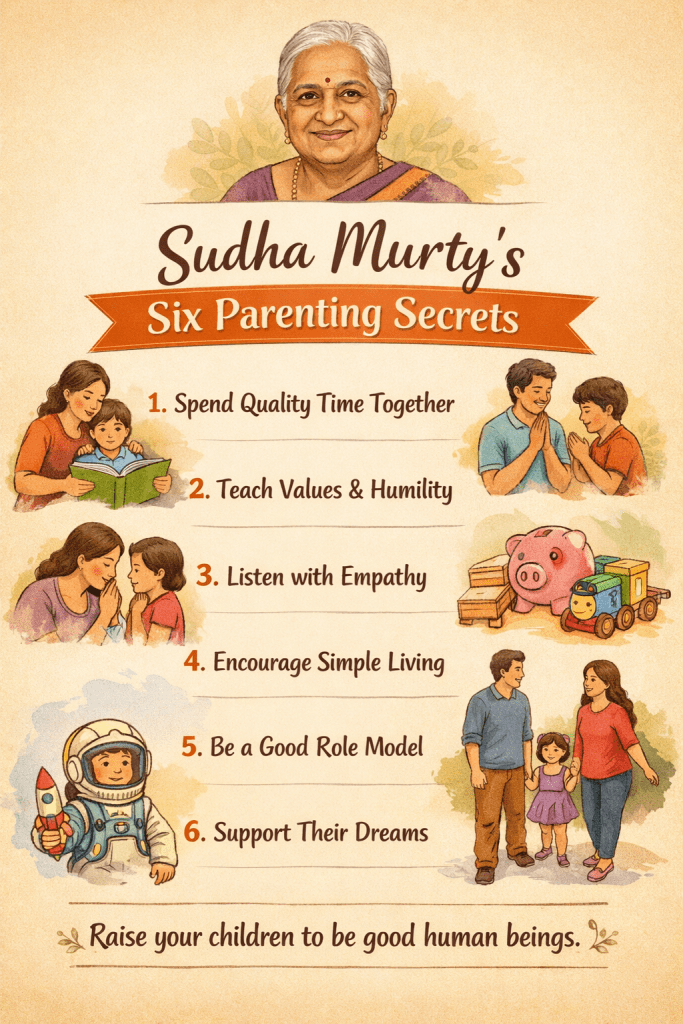
Sudha Murty’s parenting secrets are a blend of wisdom and practical advice that every parent should consider. Here are the six life lessons she shares with parents:
- Kindness: Encourage children to respect helpers, friends, and even strangers, as kindness is a life skill that will grow into respect for everyone.
- Education: Teach children the value of education, as it is the best gift that can take them to another level in life.
- Honesty: Teach honesty from a young age, as it builds character and courage, and helps children become trustworthy adults.
- Humility: Instill humility in children, teaching them to stay grounded even after gaining fame and popularity.
- Empathy: Foster empathy within themselves and their children, understanding others’ emotions and perspectives.
- Independence: Encourage independence in children, empowering them to make their own choices and learn from both success and failure.
These lessons are not just advice but life-changing principles that can help parents raise confident, kind, and well-rounded children.
Sudha Murty is an Indian author, social worker, and philanthropist, widely admired for her simple, humane, and values-driven storytelling. Her writing—especially in books like Wise and Otherwise—draws from real-life experiences, blending moral insight with clarity and compassion.
-
Strengthening Children’s Confidence
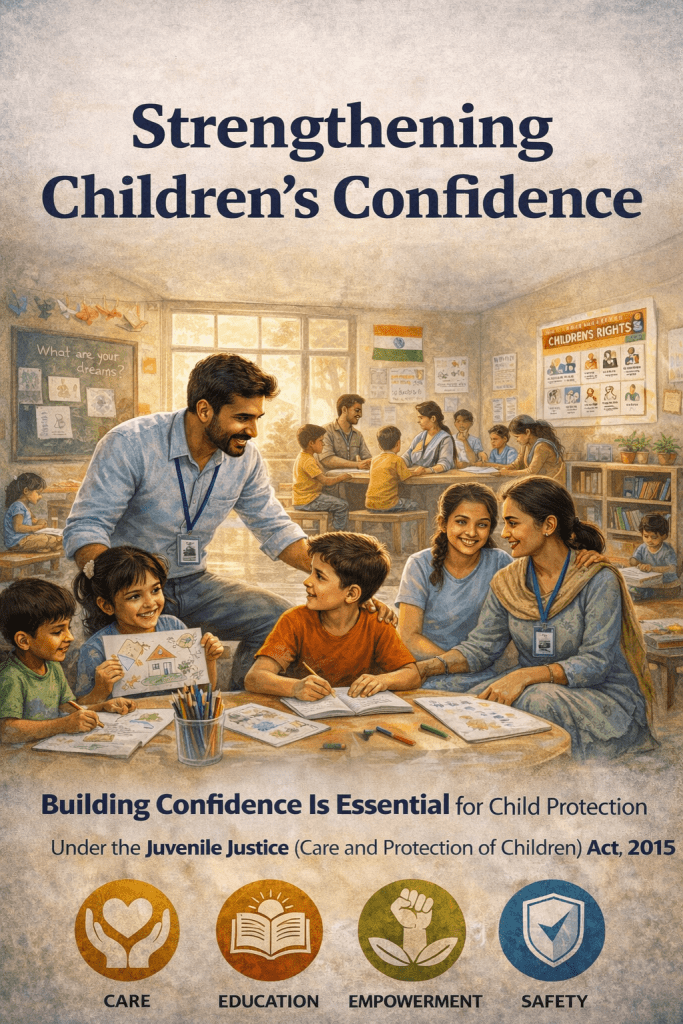
The development of self-confidence is a critical component of a child’s emotional, social, and psychological well-being. For children living within families, parents and caregivers play a primary role in fostering confidence through everyday interactions. However, for children residing in Child Care Institutions (CCIs), this responsibility rests largely with childcare staff and functionaries who operate within the child protection system. Under the Juvenile Justice (Care and Protection of Children) Act, 2015, CCIs are mandated not only to ensure physical safety but also to promote the holistic development and dignity of every child.
Confidence-building in institutional settings requires deliberate, consistent, and child-centred caregiving practices. Warmth, affection, and respectful communication help establish a sense of emotional security, particularly for children who have experienced neglect, abuse, or separation from family. Predictability in routines and consistency in adult responses foster trust and reduce anxiety, enabling children to develop a stable sense of self. Recognising effort and age-appropriate achievements reinforces self-worth and encourages positive behaviour.
Importantly, disciplinary practices within CCIs must be non-violent and educative, in line with the JJ Act and Model Rules. Children should be guided to understand the consequences of their actions while being reassured that their intrinsic value is not diminished by mistakes. Opportunities for participation in decision-making, expression of views, and problem-solving further strengthen autonomy and resilience, as envisaged under child-friendly care standards.
For adolescents in institutional care, respect for privacy, identity, and evolving capacities is essential. Staff must model respectful behaviour, acknowledge children’s perspectives, and create safe spaces for dialogue. Ultimately, confidence-building in CCIs is not an optional activity but a core child protection function.
Message
A nurturing institutional environment enables children to heal, develop self-belief, and transition successfully towards family-based care, social integration, and independent adulthood.
-
Junk Culture Is Poisoning Our Children
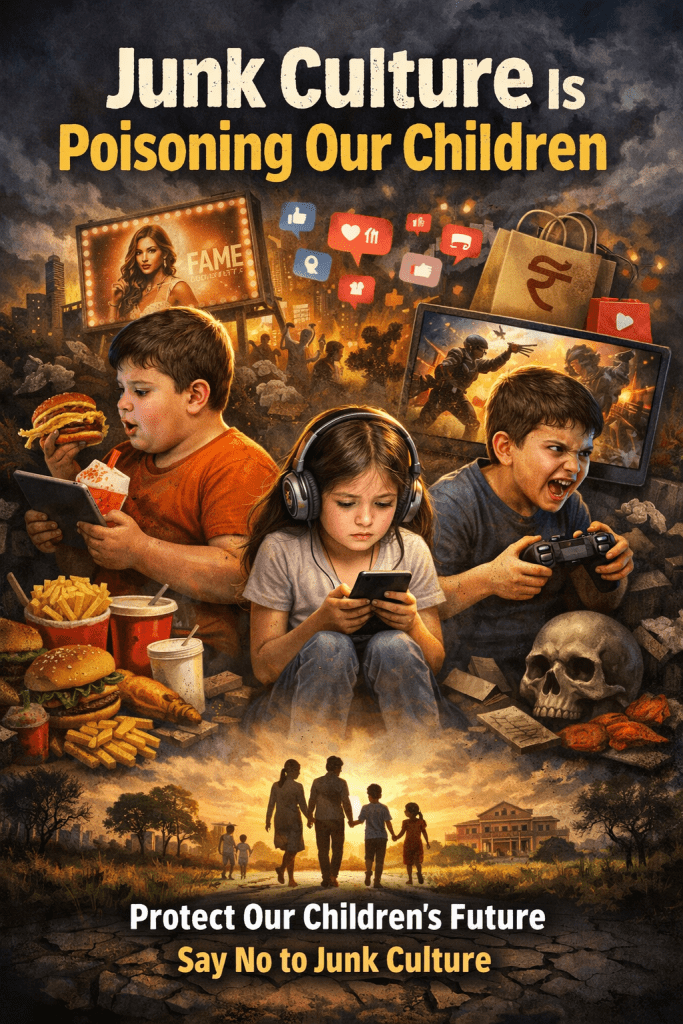
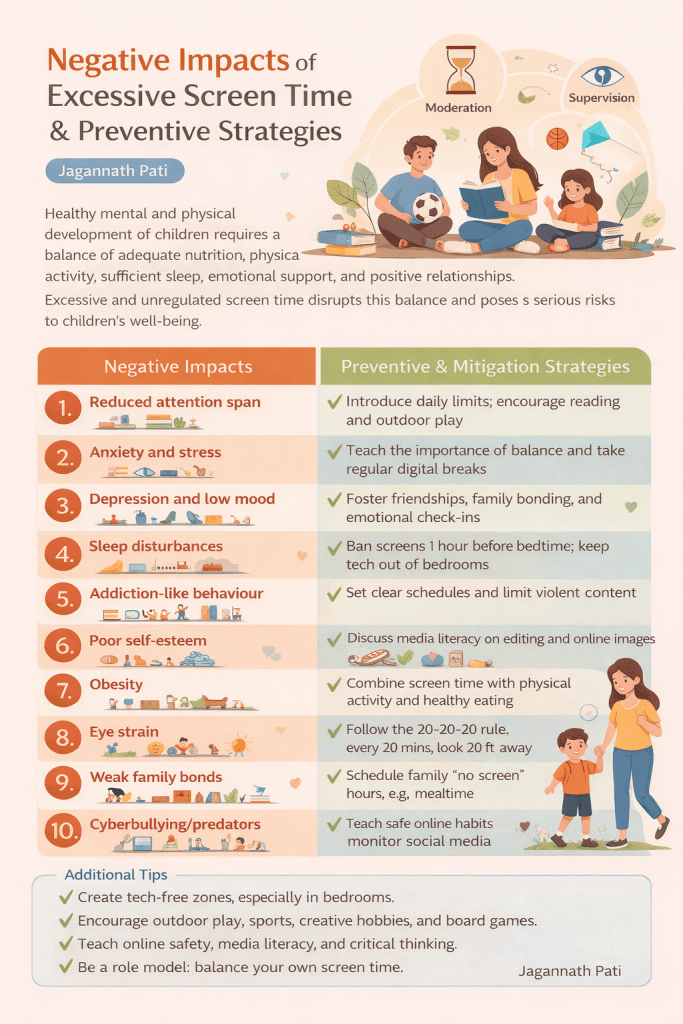
Junk culture goes far beyond fast food and unhealthy eating habits. It encompasses relentless screen exposure, addictive social media platforms, glorification of violence, instant fame, and the pressure to conform to unrealistic lifestyles. In India, and also in other parts of the globe, children are increasingly growing up in environments where their attention is monetised, emotions are subtly manipulated, and consumerism often replaces values such as empathy, patience, and responsibility. Childhood, which should nurture imagination and character, is being reshaped by algorithms and market forces.
The consequences are visible and deeply concerning. Many children today face declining physical health due to sedentary routines, along with rising levels of anxiety, low self-esteem, irritability, and social withdrawal. Excessive digital engagement weakens real-life relationships and reduces opportunities for meaningful interaction, compassion, and teamwork. Over time, this erodes social bonds and limits children’s ability to cope with challenges in a balanced manner.
Addressing this challenge requires deliberate and collective action. Parents must model balanced behaviour and mindful technology use. Schools should emphasise values, life skills, and emotional learning alongside academic success. Media and digital platforms must be held accountable for child-sensitive and age-appropriate content. Most importantly, society must reclaim childhood as a period of curiosity, creativity, play, and emotional security—not a marketplace for exploitation. Protecting childhood today is essential for nurturing a healthier and more humane future generation.
Message
If junk culture continues to define children’s experiences, we risk raising a generation disconnected from empathy, resilience, and social responsibility. Protecting children today is essential to securing a healthier, more humane future for India.
-
Healing Cannot Wait
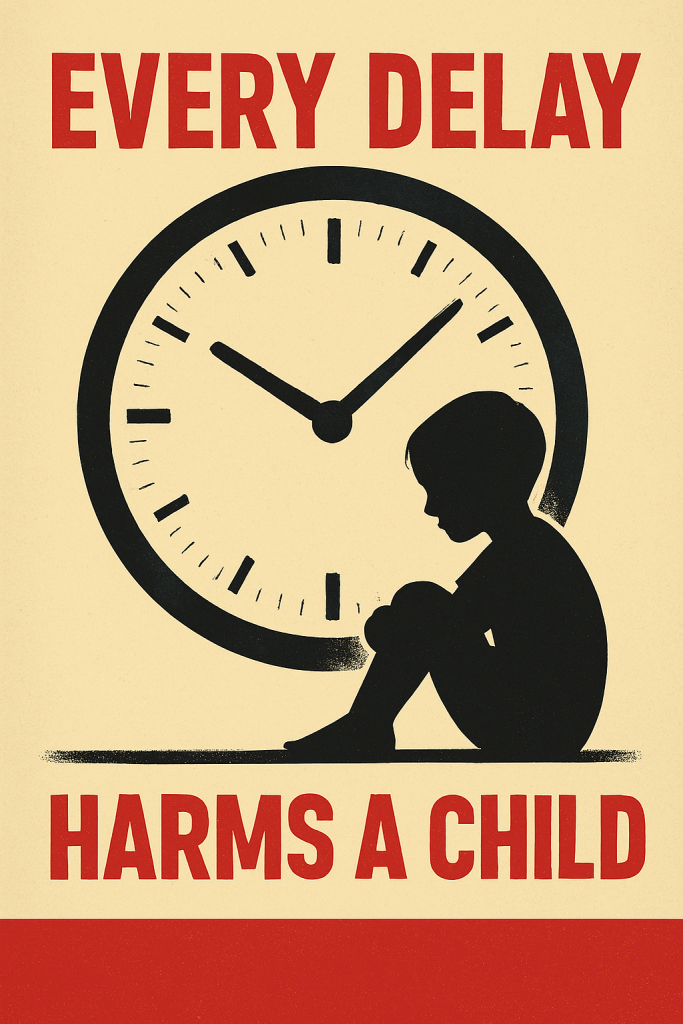
Childhood does not pause while systems deliberate. Every record placed on a desk represents a child whose life has been shaped by abuse, neglect, or abandonment—experiences that leave lasting emotional and psychological harm. These children are not defined by documentation; they are individuals in urgent need of safety, stability, and care.
Administrative delays in assessments, decisions, or placements have real consequences. Prolonged uncertainty deepens trauma, disrupts emotional recovery, and weakens a child’s sense of trust and belonging. For children who have already experienced loss and harm, timely intervention is not merely a procedural requirement—it is a critical protective measure.
The principle of the best interests of the child must guide every action. It is not symbolic or procedural but a substantive obligation that requires informed judgment, sensitivity, and prompt decision-making in full compliance with legal and regulatory frameworks. Each determination made within the system shapes a child’s opportunity to experience family life, emotional security, and healthy development.
Swift, coordinated responses by Child Welfare Committees, caregivers, adoption professionals, and institutions can alter life trajectories. When decisions are timely and child-centred, systems become pathways to healing rather than sources of further harm. Every moment matters. Each decision carries lasting implications for a child’s ability to heal, belong, and grow. Ensuring that processes remain humane, responsive, and accountable is essential—because for every child waiting, healing truly cannot wait.
Message
Intentions matter, but actions must always remain lawful, ethical, and child-centred. In child protection, good intentions alone are insufficient. Actions must be guided by law, ethics, and the best interests of the child to ensure safety, dignity, and accountability.
-
Child Protection Begins with Compassion
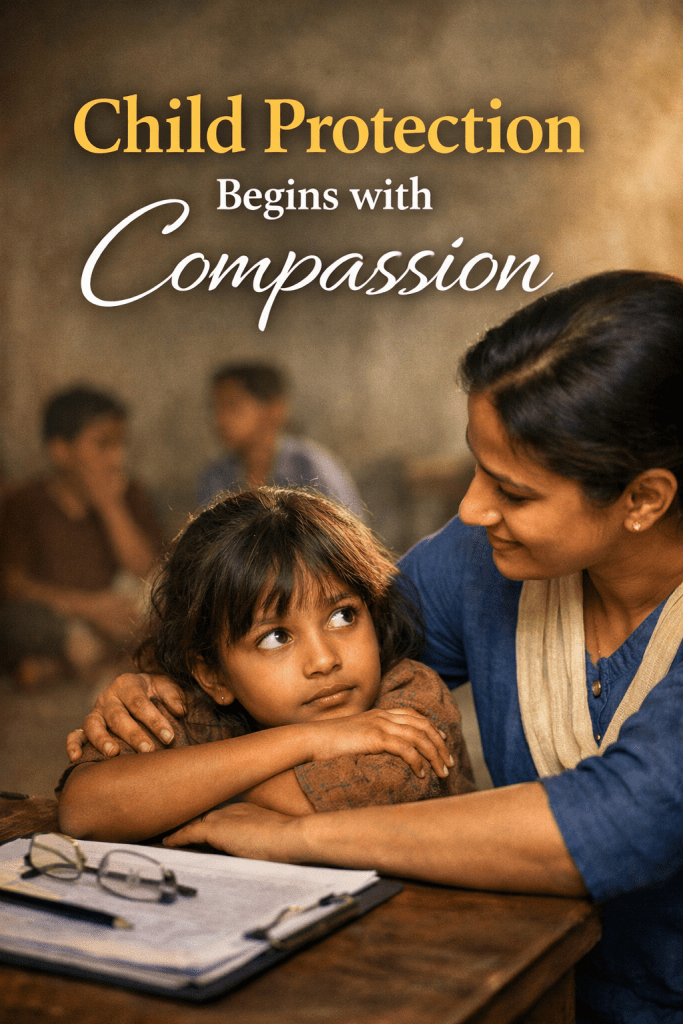
Compassion creates safety, dignity, and belonging. Compassion lies at the heart of effective child protection. It shapes how systems respond to children who have experienced abuse, neglect, abandonment, or loss, and determines whether those responses promote healing or deepen harm. Compassion does not dilute legal responsibility; instead, it strengthens it by ensuring that laws and procedures are applied with sensitivity, fairness, and respect for the child’s lived experience.
Children entering child protection systems often carry complex trauma. Their behaviour—withdrawal, anger, or resistance—may be a survival response to repeated betrayal or neglect. A compassionate approach recognises these signals not as defiance, but as communication. It prioritises emotional safety, builds trust gradually, and restores a child’s sense of control and dignity. Such care cannot be delivered through forms and timelines alone; it requires presence, patience, and understanding.
Child Care Institutions and adoption systems frequently become the first point of stability for children who have known instability all their lives. These children need more than shelter—they need reassurance, consistency, and belief in their worth. Across India, many children remain in institutional care while decisions are delayed or processes stagnate. Each delay has consequences, affecting a child’s emotional development and sense of belonging. Compassion ensures that systems remain responsive and that urgency is guided by the child’s best interests, not administrative convenience.
For social workers and child protection personnel, compassion supports ethical practice. It enables respectful engagement with birth families, restoration and family strengthening efforts, preparation, and balanced decision-making in complex cases. It also sustains professionals themselves, helping them navigate emotional strain and systemic limitations without losing their commitment to children.
Abused and neglected children need compassion most—adults who will listen, notice, and respond consistently. Child Welfare Committee members, childcare staff, field workers, counsellors, and policymakers each play a role in shaping a child’s experience of care.
Message
When compassion guides action, systems become humane, relationships become protective, and children are given the chance to heal, belong, and thrive. Child protection, at its core, is not only about compliance—it is about care.
-
When Children Suffer Racism While Studying Abroad

Making fun of someone’s pronunciation, name, or food habits and saying “go back to where you came from” are racist behaviours. They demean identity, deny belonging, and cause emotional harm. Such language violates dignity, equality, and inclusion, and must be actively challenged to ensure safe, respectful environments.
When children and young students experience racism while studying abroad, the impact can be deeply damaging and long-lasting. Racism is one of the most harmful forms of discrimination, undermining human dignity, emotional security, and the fundamental right to education in a safe environment. Rooted in ignorance and prejudice, it reduces children to their race or skin colour rather than recognising their individuality and shared humanity. Like a disease, racism spreads through social norms, institutional practices, and unchallenged stereotypes, leaving young learners vulnerable to fear, isolation, and self-doubt.
Racial discrimination in educational settings affects students’ mental and physical well-being, academic performance, and sense of belonging. Children who face exclusion, bullying, or racial profiling often experience anxiety, depression, and loss of confidence, which can hinder learning and social development. Such discrimination may be overt, through verbal abuse, or systemic, through unequal treatment and lack of institutional support.
Racism directly contradicts the values of diversity, equity, and inclusion that global education claims to uphold. Addressing it requires strong safeguarding policies, cultural sensitivity training, accountability mechanisms, and active parental and institutional engagement. By fostering empathy, enforcing zero tolerance for discrimination, and protecting children’s rights, societies can ensure that international education remains safe, inclusive, and enriching for all students.
-
Adoption in India
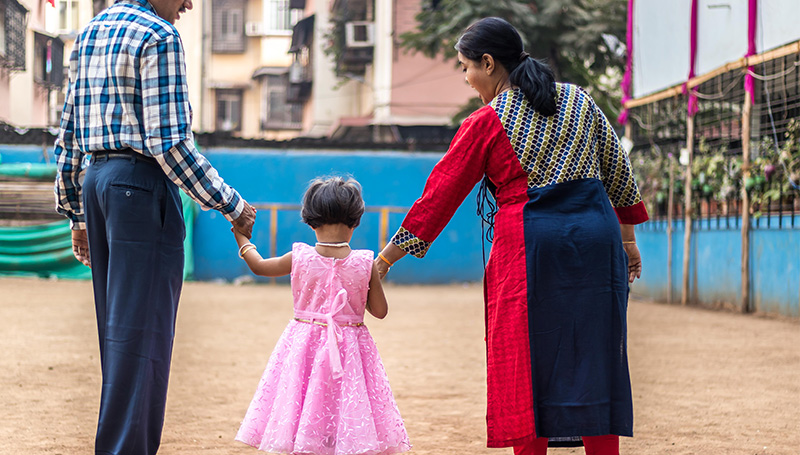
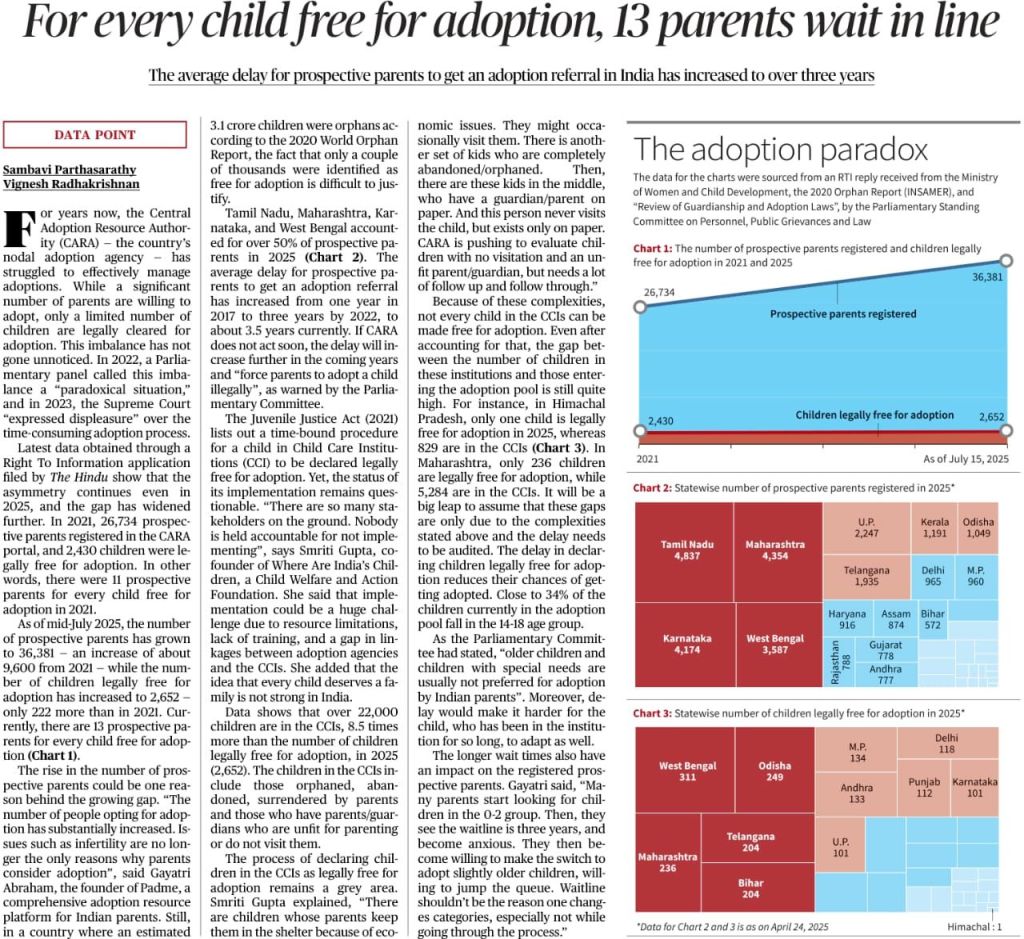
Adoption in India is a life-changing process—for children in need of families and for prospective adoptive parents (PAPs) who open their homes and hearts to them.
While the Juvenile Justice (Care and Protection of Children) Act, 2015 (amended in 2021), and the Adoption Regulations, 2022 provide a structured and transparent legal framework, the journey is often marked by a mix of expectations, hopes, and complex realities.
For more information, readers may access
-
Recovery from Depression: Preparation, Practice, and Reflection

Recovery from depression among young adults is best understood as a gradual, non-linear process that integrates emotional readiness, sustained action, and self-awareness.
The first pillar, Preparation, involves laying a foundation for healing by developing emotional awareness, realistic goal-setting, and supportive coping strategies. Seeking professional help through therapy or counselling, and when necessary medication, provides structured guidance. Building a reliable support network of family, friends, or peers and setting small, attainable goals helps restore motivation, self-worth, and resilience while fostering self-compassion.
The second pillar, Practice, focuses on consistent engagement in meaningful and health-promoting activities. Prioritising physical health through exercise, nutrition, and adequate sleep plays a critical role in improving mood and energy levels. Constructive emotional expression through journaling, creative activities, or trusted conversations supports emotional regulation. Participation in peer groups, volunteering, or skill-building activities restores confidence, strengthens social bonds, and nurtures a sense of purpose, while setting healthy boundaries protects the recovery process.
The third pillar, Reflection, enables individuals to assess progress, recognise personal growth, and identify unhelpful patterns. Reflective practices encourage gratitude, informed decision-making, and emotional insight. Together, preparation, practice, and reflection form a holistic recovery framework that supports sustainable healing and personal development among young adults.
Moving Forward
A New Beginning Emerging from depression is akin to rebuilding a home after a storm. The foundation may have been shaken, but with patience, effort, and the right support, a stronger structure can be built. Young adults navigating this journey should remember: they are not alone, their struggles do not define them, and their future holds immense potential.
The road ahead may be long, but each step forward is a testament to resilience, strength, and hope. Addressing depression is not a one-time event but a continuous process. Preparation helps individuals develop resilience before difficult times, practice helps them actively manage their emotions and mental health, and reflection allows them to understand their feelings and grow from experiences. Support systems, such as families, mentors, and friends, should create safe spaces for young adults to express themselves freely. When done together with a strong support system—be it family, friends, or professionals—young adults can build a healthier, more positive outlook on life.
 Safe Childhood India