Blog

  • What We Call Them Matters

    From a trauma-informed perspective, naming is not a neutral administrative act but an early and meaningful intervention in identity repair following experiences of abandonment, separation, or loss. For children entering Child Care Institutions (CCIs), the loss of family, history, and familiar relationships often coincides with a profound disruption of self-identity. In this context, a name becomes far more than a label—it is a symbolic restoration of personhood.

    In practice, the naming of children in CCIs is frequently undertaken by the institution, sometimes in consultation with the Child Welfare Committee (CWC). Names are often selected through collective reflection by caregivers and staff, and occasionally with the involvement of older children within the institution. Drawn from mythology, nature, rivers, sacred landscapes, or culturally significant moments, these names are intended to confer dignity, meaning, and belonging rather than function as mere identifiers. In cases of surrendered children, original names are generally retained to preserve continuity, memory, and emotional linkage to the child’s past.

    Message

    Though largely informal and undocumented, this practice carries deep emotional significance. For a child separated from family and personal history, a name can serve as an early affirmation of their existence and worth—an act of recognition that gently counters anonymity, institutionalisation, and emotional erasure. When approached with sensitivity, naming becomes a quiet yet powerful gesture of care, anchoring identity and offering the first step toward healing and belonging.
  • Sympathetic Eye

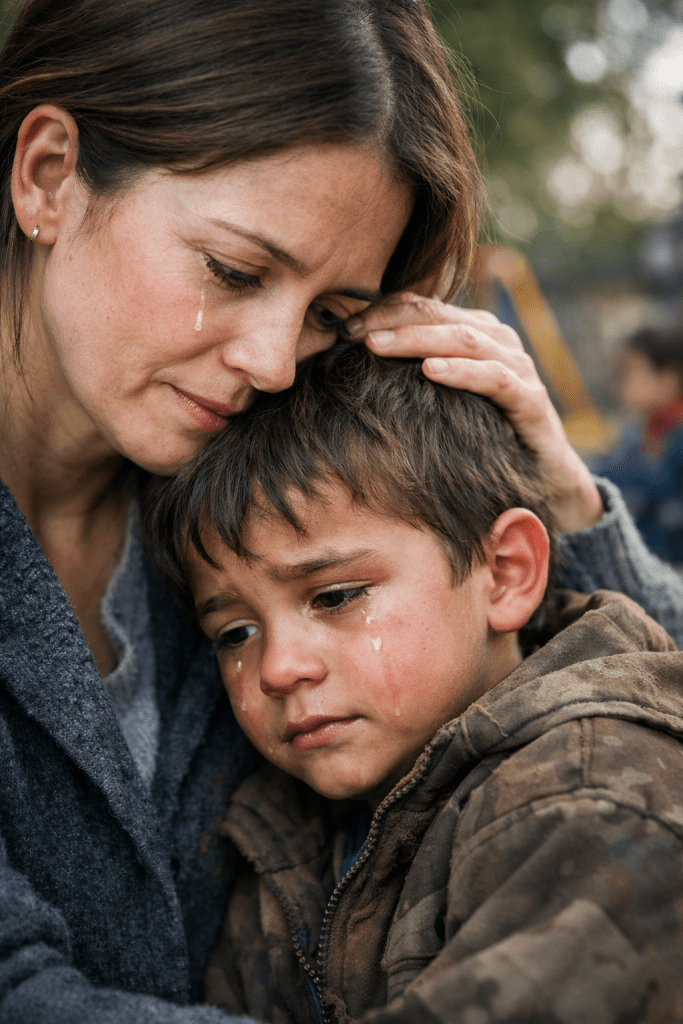
    I have often noticed that when a person cries or weeps, tears flow from both eyes, as if they are inseparable. An ophthalmologist once explained that trauma to one eye can sometimes affect the other—a condition known as a sympathetic eye. This offers a powerful metaphor for understanding the lives of deprived children.

    Children who are deprived of care, protection, or affection carry wounds that may not always be visible. Yet their pain rarely remains confined to them alone; it affects families, institutions, and society at large. A sympathetic eye in human relations means recognising these silent injuries and responding with empathy rather than indifference or blame. It calls for patience, sensitive listening, and an understanding of the social and emotional contexts that shape a child’s behaviour. When caregivers, professionals, and institutions approach deprived children with empathy, they establish trust, initiate healing, and create avenues for restoration. Ultimately, caring for deprived children is not just an act of compassion—it is a collective responsibility that reflects our shared humanity.

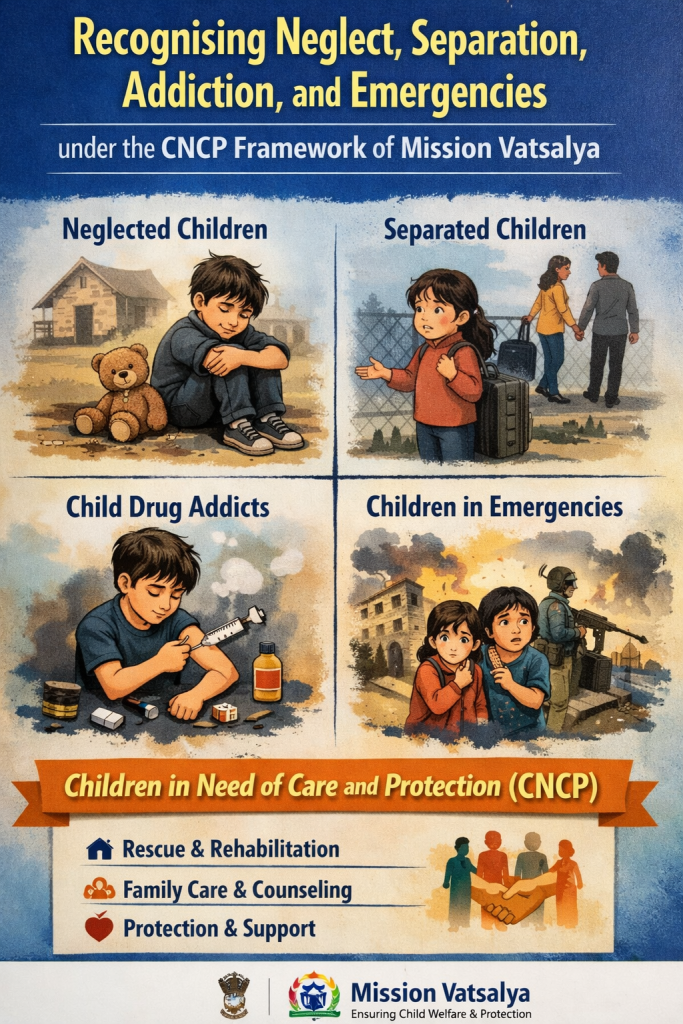
  • Recognising Neglect, Separation, Addiction, and Emergencies under the CNCP Framework of Mission Vatsalya

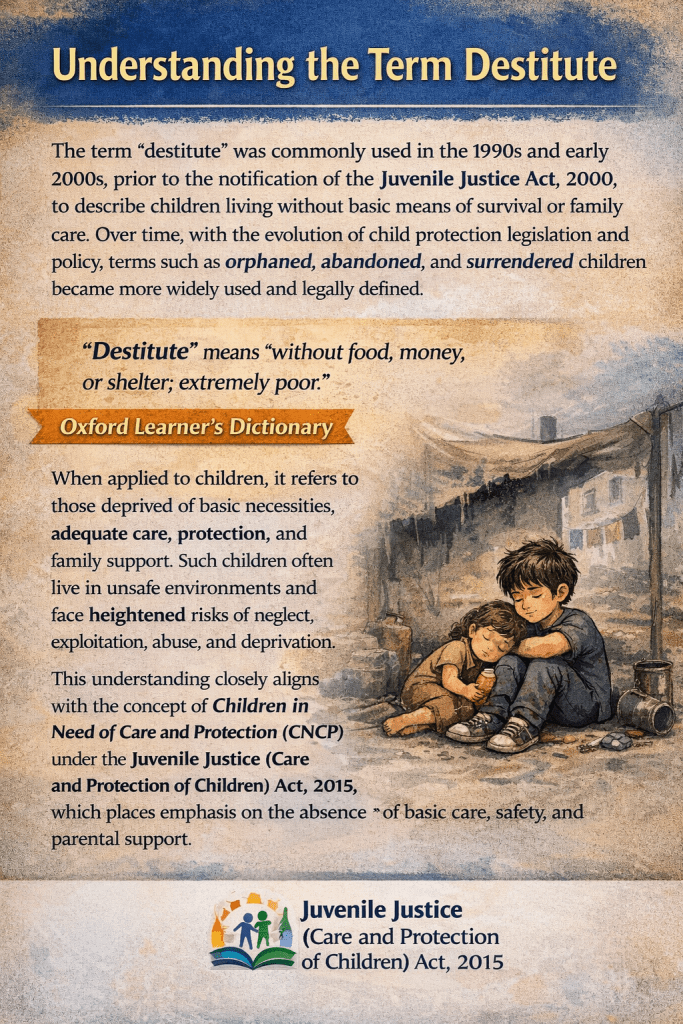
    The categories of children facing neglect, separation from families, substance abuse, and those affected by emergencies clearly fall within the definition of Children in Need of Care and Protection (CNCP) under Section 2(14) of the Juvenile Justice (Care and Protection of Children) Act, 2015. The Act adopts a broad, child-centric approach and explicitly includes children who are abandoned, abused, neglected, living on the streets, affected by substance abuse, or rendered vulnerable due to disasters, conflicts, or humanitarian emergencies.

    Mission Vatsalya, as a centrally sponsored umbrella scheme for child protection, is anchored in the Juvenile Justice Act, 2015, and seeks to ensure the safety, security, and well-being of all vulnerable children. Although Mission Vatsalya does not always enumerate these categories separately, its scope covers prevention, rescue, care, rehabilitation, and reintegration of all children classified as CNCP under the Act. Therefore, children experiencing neglect, separation, addiction, or emergency-induced vulnerability are implicitly included within its operational framework.

    Message

    Including these classifications explicitly within Mission Vatsalya would enhance clarity, strengthen convergence among stakeholders, and ensure focused planning, budgeting, and monitoring. Such recognition would also reinforce the rights-based approach of the JJ Act and enable timely, family-based and community-based interventions for children facing heightened risks.

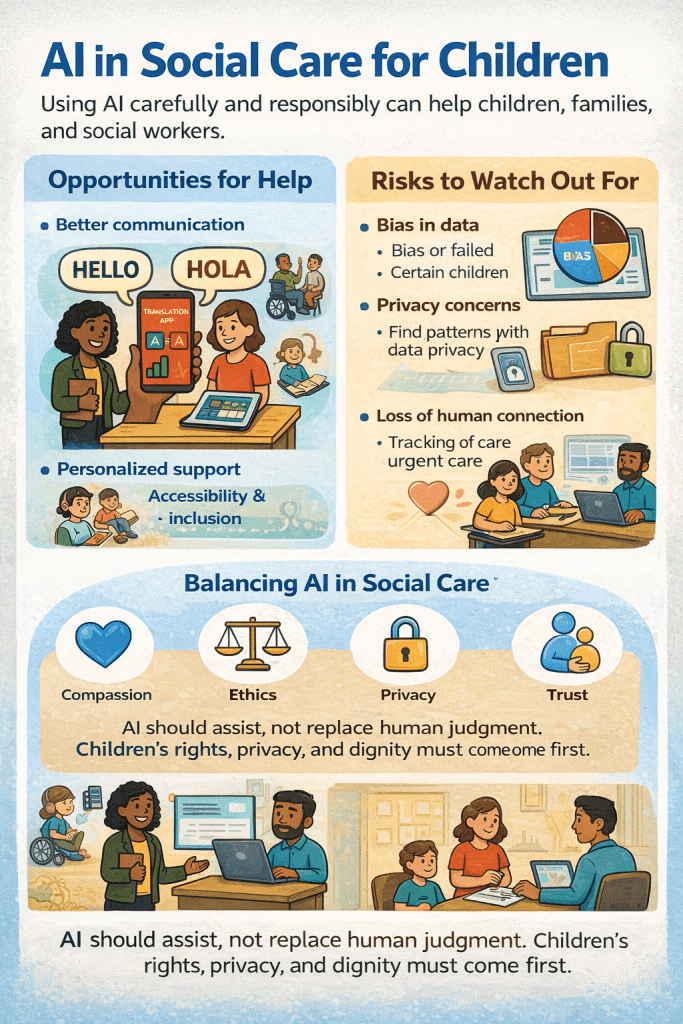
  • AI in Social Care for Children

    Artificial intelligence (AI) can play a helpful role in social care for children if it is used carefully and responsibly. AI tools can improve access and inclusion by helping families communicate better. For instance, translation apps can help families who don’t speak the local language, and speech-to-text tools can help kids who have trouble hearing or learning. AI can also support personalised care by adjusting learning or support plans to suit each child’s needs, including those with disabilities or neurodiverse conditions.

    AI can help professionals, too. It can analyse reports, case records, and evaluations to identify patterns, highlight what works best, and support better planning and decision-making. This can save time and help services focus more on children who need urgent care.

    At the same time, there are serious risks. AI systems can reflect bias present in past data and may unfairly affect certain children or families. Over-reliance on technology can weaken trust and reduce human connection, which is central to child care work. There are also concerns about data privacy, consent, and who is accountable for decisions influenced by AI.

    Message

    Therefore, AI should only support — not replace — human judgment. Compassion, ethics, transparency, and children’s rights must always guide its use.

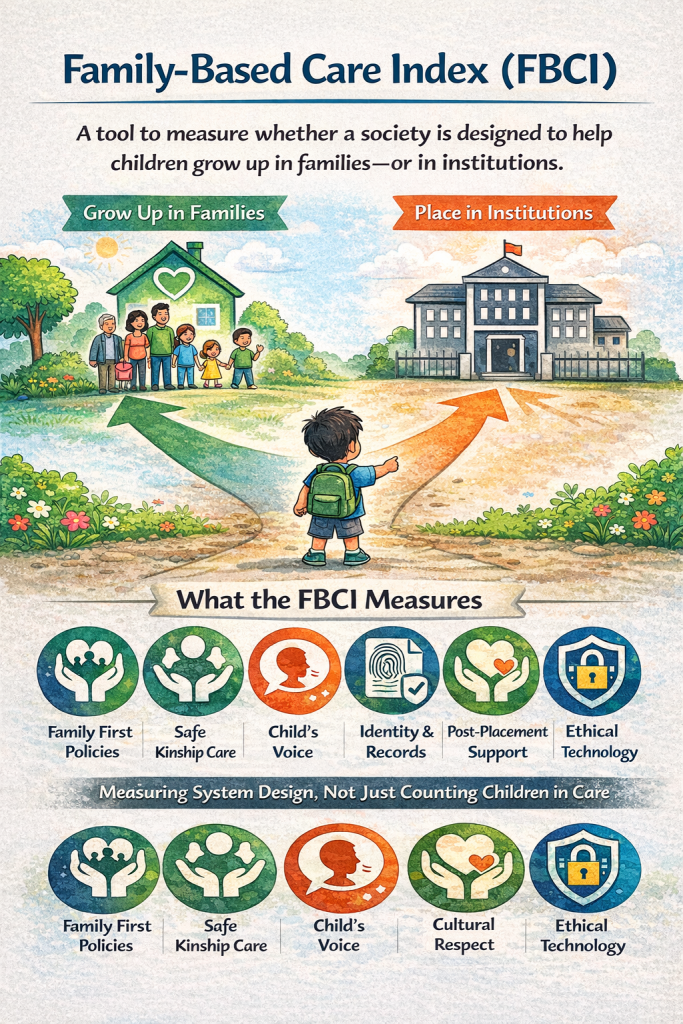
  • Family-Based Care Index (FBCI)

    The Family-Based Care Index (FBCI) is a tool to understand whether a society is truly designed to help children without parents grow up in families, or whether it pushes them into institutions by default.

    Most child protection systems say they support family-based care. In practice, however, institutions are often easier to manage, fund, and monitor. Because systems measure institutions—beds, buildings, and paperwork—they end up strengthening them. Families, on the other hand, are rarely measured or supported in the same way.

    The FBCI changes this. Instead of counting placements or facilities, it looks at how the system itself works. It asks one clear question: Is it easier for a child to be cared for by family members, or to be placed in an institution?

    The Index examines key areas such as whether laws prioritise families, how kinship and relative care are supported, whether children are heard as they grow, how identity and records are preserved, what support families receive after placement, whether cultural caregiving practices are respected, and how technology is used safely and ethically.

    The FBCI does not rank countries or judge cultures. It helps decision-makers see where systems help families—and where they quietly fail them.

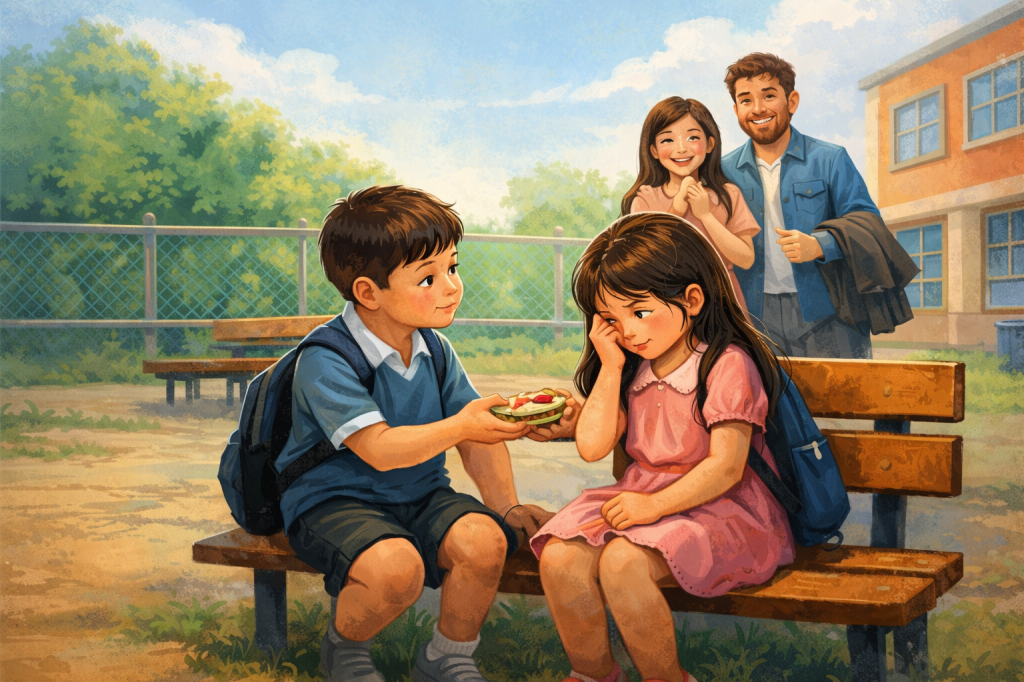
  • Humanity comes first

    Meera was rushing home after work when she noticed a young boy sitting on the steps of a closed building. His school bag lay beside him, and his eyes searched every passing face. Something about his silence made her stop.

    She asked gently if he was lost. The boy nodded. His phone had run out of battery, and he did not remember his parents’ number. Meera was already late, but she sat beside him, offered him water, and let him use her phone. Within minutes, his worried mother arrived, breathless and in tears.

    Meera walked away quietly, thinking her delay would cause trouble. Instead, her manager simply smiled and said, “You did the right thing.” That small pause in her busy day had changed everything for a family in distress.

    That night, Meera realized something important. Help does not always need money or grand gestures. Sometimes it only needs time, attention, and compassion.

    Message

    Somebody’s little help can change the world of another person in need. When we choose humanity first, we create a world where kindness finds its way back—one small act at a time.

  • Adoption transparency and root search framework

    Juvenile Justice Act, 2015 & Adoption Regulations 2022 give older adoptees a statutory mechanism to access origin information. They balance the right to information with the privacy rights of biological parents and legal safeguards around adoption confidentiality.

    The Supreme Court’s decision in Laxmi Kant Pandey vs. Union of India laid the ethical foundation for India’s adoption system by emphasising the best interests, dignity, and identity of the child. Although the judgment focused on regulating adoption, its insistence on transparency, record-keeping, and State accountability supports the right of older adoptees to access information about their origins. As adoptees mature, questions of identity and belonging naturally arise, particularly for those adopted at an older age. Facilitating ethical, sensitive root search is a continuation of the child-centric principles articulated by the Court, balancing adoptees’ rights with confidentiality and protection from harm.

    Regulation 47 of the Adoption Regulations 2022

    47. Root search.― (1)If the biological parents, at the time of surrender of the child, have specifically requested anonymity, then the consent in writing of the biological parents shall be taken by the Specialised Adoption Agency or the District Child Protection Unit, as the case may be, before divulging information.

     (2)In cases of root search by older adoptees, the agencies or authorities concerned that is Authorised Foreign Adoption Agency, Central Authority, Indian diplomatic mission, Authority, State Adoption Resource Agency or District Child Protection Unit or Specialised Adoption Agency, whenever contacted by any adoptee, shall facilitate their root search.

    (3)  Persons above eighteen years can apply independently online while children below eighteen years shall apply jointly with their adoptive parents to the Authority seeking facilitation of root search.

    (4) In case of denial by the biological parents or non-traceability of the parents in surrendered cases, the reasons and the circumstances under which the information is not being made available shall be disclosed to the adoptee.

    (5)  A root search by a third party shall not be permitted and the agencies or authorities concerned shall not make any information public relating to biological parents, adoptive parents or adopted child.

    (6) The right of an adopted child shall not infringe the right to privacy of the biological parents.

    Observations from Years of Experience in Adoption Practice

    • The search for Origin is not merely procedural but deeply ethical, emotional, and rights-based, requiring careful handling within India’s adoption system.
    • As adoptees move into adolescence and adulthood, questions of identity, family history, and belonging naturally surface, and when supported through safe and sensitive processes, these searches can contribute to emotional clarity and well-being.
    • Professionals must balance emotional support, confidentiality, and the rights of all parties, a task that demands specialized skills and institutional preparedness.
    • There is a need for ethical, transparent, and adoptee-centred practices, recognising the search for origin, which is closely linked to dignity and the best interests of the child.
  • Safeguards from misleading food advertising

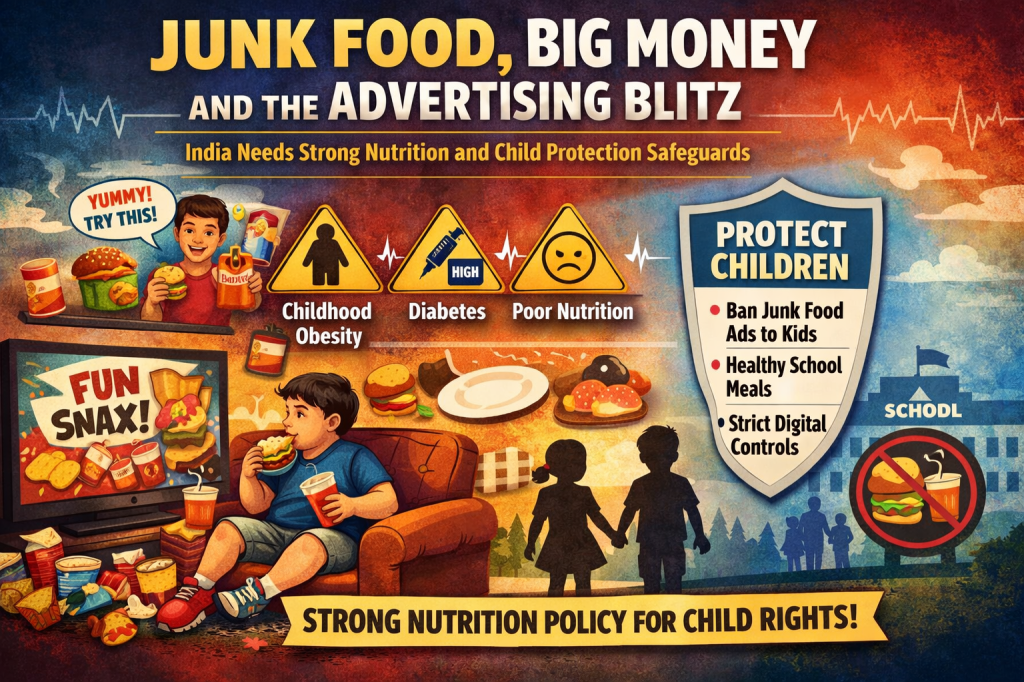
    India faces an unchecked surge of junk food marketing driven by corporate profits and aggressive advertising targeted at children. Ultra-processed foods high in sugar, salt, and unhealthy fats are promoted through television, digital platforms, and influencers, shaping harmful eating habits early in life. This commercial exploitation contributes to childhood obesity, diabetes, malnutrition, and poor cognitive development. A strong national nutrition policy must be integrated into India’s child protection framework. As vulnerable rights-holders under the Juvenile Justice Act, 2015, children require safeguards from misleading food advertising, unhealthy school food environments, and digital marketing abuse. Protecting child nutrition is a child rights imperative, not a lifestyle choice.

    A strong national nutrition policy must be integrated into India’s child protection framework, recognising nutrition as a core child rights and safeguarding issue rather than a matter of individual choice. Protecting children from harmful food environments and commercial exploitation is essential to their survival, development, and best interests.

  • Safeguarding Children Against Lead Exposure

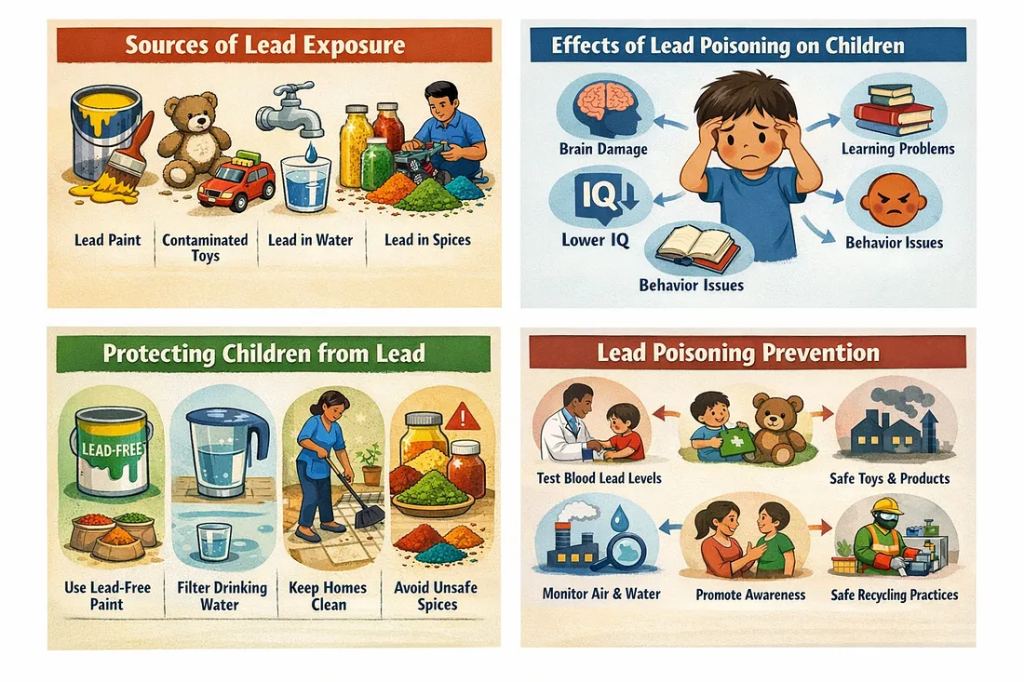
    Lead enters children’s bodies through multiple pathways, including lead-containing paints, unsafe toys, adulterated spices and cosmetics, industrial pollution, informal recycling of batteries, and contaminated soil and drinking water. These sources are often interconnected with weak regulation and limited oversight. Effective risk reduction therefore depends on robust legal frameworks, strict enforcement of product safety standards, and sustained coordination among health, environment, industry, urban development, and child protection authorities.

    A strong public health surveillance system is central to safeguarding efforts. Targeted blood lead level screening in high-risk communities enables early detection, timely intervention, and evidence-based policy responses. Surveillance data also help find places where people are most likely to be exposed and set regulatory priorities. Community awareness is also very important. Parents, caregivers, teachers, and child care institutions must be equipped with practical knowledge to identify potential sources of lead and adopt safer practices in homes, schools, and neighbourhoods.

    Embedding lead poisoning prevention among maternal, neonatal, and child health programs strengthens protection during the most vulnerable stages of development. The benefits of this kind of protection last a lifetime: it protects cognitive development, improves educational achievement, and lowers future health and social costs.

    Message

    Creating a lead-safe environment is therefore not only a public health responsibility but also a moral and developmental commitment to securing every child’s right to healthy growth, dignity, and well-being.

  • Full many a flower is born to blush unseen

    Thomas Gray’s “Elegy Written in a Country Churchyard”. The correct lines are:

    “Full many a flower is born to blush unseen,
    And waste its sweetness on the desert air.”

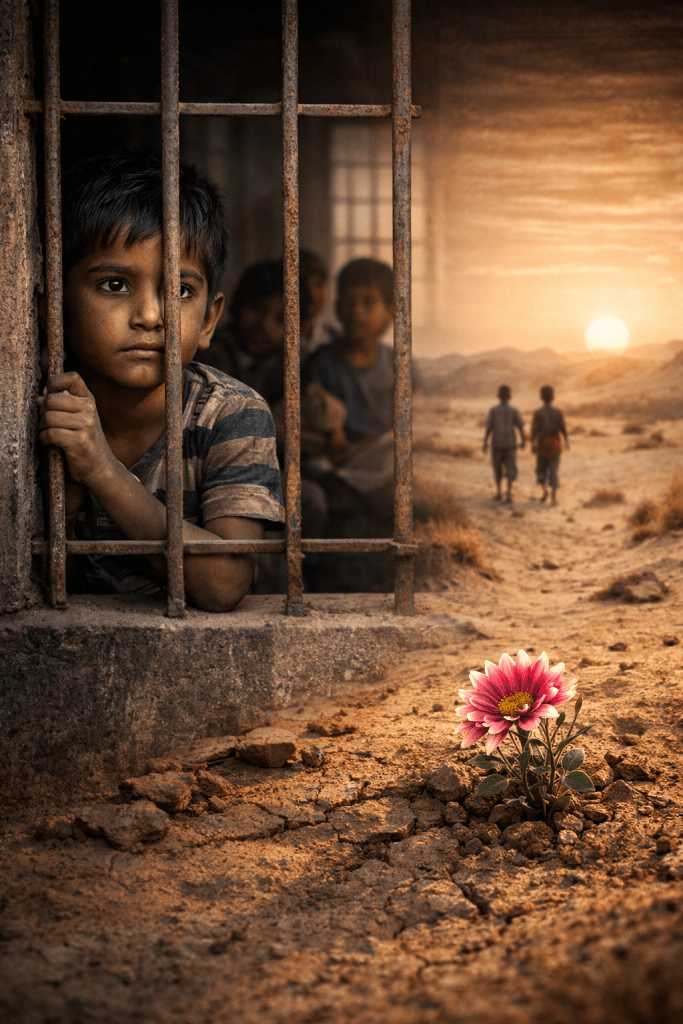
    The lines “Full many a flower is born to blush unseen, and waste its sweetness on the desert air” metaphorically capture the lived realities of children in need of care and protection (CNCP) in India and many other countries. So many children are born with intelligence, creativity, kindness, and resilience—but their lives begin in conditions of neglect, abuse, abandonment, trafficking, conflict with the law, or extreme poverty. Without family care, early stimulation, education, or emotional security, their potential remains invisible. Like the unseen flower, they exist, but society does not truly see them

    Structural vulnerabilities, when compounded by systemic delays and inadequate family-based alternatives, result in the underdevelopment of children’s cognitive, emotional, and social capacities.

    The Juvenile Justice (Care and Protection of Children) Act, 2015 mandates that the best interest of the child shall be the primary consideration in all decisions concerning their care, rehabilitation, and reintegration. The Act, read with the Adoption Regulations, 2022, and the Model Foster Care Guidelines, 2024, prioritises family-based care—restoration, kinship care, foster care, and adoption—over institutionalisation. However, prolonged stays in child care institutions, delays in declaring children legally free for adoption, and limited implementation of foster care frameworks undermine this statutory intent.

    In this context, the “desert air” symbolises institutional inertia, social indifference, and gaps in governance that prevent timely interventions. When systems fail to ensure early placement in nurturing family environments, children’s potential remains unseen and unrealised.

    Message

    Strengthening statutory compliance, promoting accountable decision-making by Child Welfare Committees, and expanding quality family-based care are essential to prevent the silent loss of human potential and to fulfil the constitutional and legal promise of child protection in India.

  • Reactive Response to Proactive Prevention

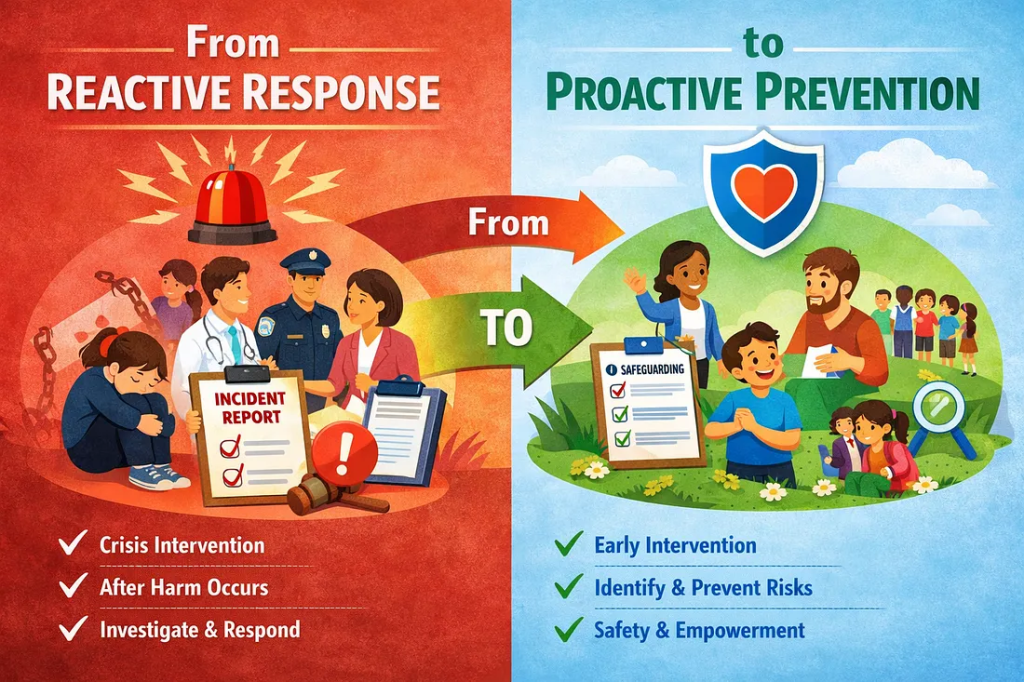
    Child Care Institutions (CCIs) have often functioned within a reactive model of child protection, where action is triggered after abuse, neglect, or serious violations are reported. Although legal and statutory responses remain essential, relying solely on post-incident intervention limits the ability of institutions to prevent harm. A shift from reactive response to proactive prevention is therefore critical for ensuring children’s safety and well-being in care settings.

    Proactive prevention emphasises child safeguarding as an everyday institutional responsibility rather than an emergency response. It requires integrating safety into organisational governance, staff behaviours, and routine practices. Preventive approaches focus on anticipating risks, strengthening ethical conduct, promoting child participation, and ensuring that children have safe and accessible ways to raise concerns. Regular training, clear accountability structures, and continuous risk assessment form the foundation of this approach.

    For CCIs, prevention is further strengthened through periodic safeguarding reviews, child protection audits, and social audits that assess both practice and compliance with child protection laws. These mechanisms foster transparency, prompt corrective action, and a shared sense of responsibility.

    Message

    By embedding prevention within institutional culture and systems, CCIs can move beyond crisis management and create care environments that respect children’s dignity, protect their rights, and support their healthy development.

    Share this:

  • Reactive Response to Proactive Prevention

    Child Care Institutions (CCIs) have often functioned within a reactive model of child protection, where action is triggered after abuse, neglect, or serious violations are reported. Although legal and statutory responses remain essential, relying solely on post-incident intervention limits the ability of institutions to prevent harm. A shift from reactive response to proactive prevention is therefore critical for ensuring children’s safety and well-being in care settings.

    Proactive prevention emphasises child safeguarding as an everyday institutional responsibility rather than an emergency response. It requires integrating safety into organisational governance, staff behaviours, and routine practices. Preventive approaches focus on anticipating risks, strengthening ethical conduct, promoting child participation, and ensuring that children have safe and accessible ways to raise concerns. Regular training, clear accountability structures, and continuous risk assessment form the foundation of this approach.

    For CCIs, prevention is further strengthened through periodic safeguarding reviews, child protection audits, and social audits that assess both practice and compliance with child protection laws. These mechanisms foster transparency, prompt corrective action, and a shared sense of responsibility.

    Message

    By embedding prevention within institutional culture and systems, CCIs can move beyond crisis management and create care environments that respect children’s dignity, protect their rights, and support their healthy development.