Blog
-
Menstrual Hygiene as a Fundamental Right
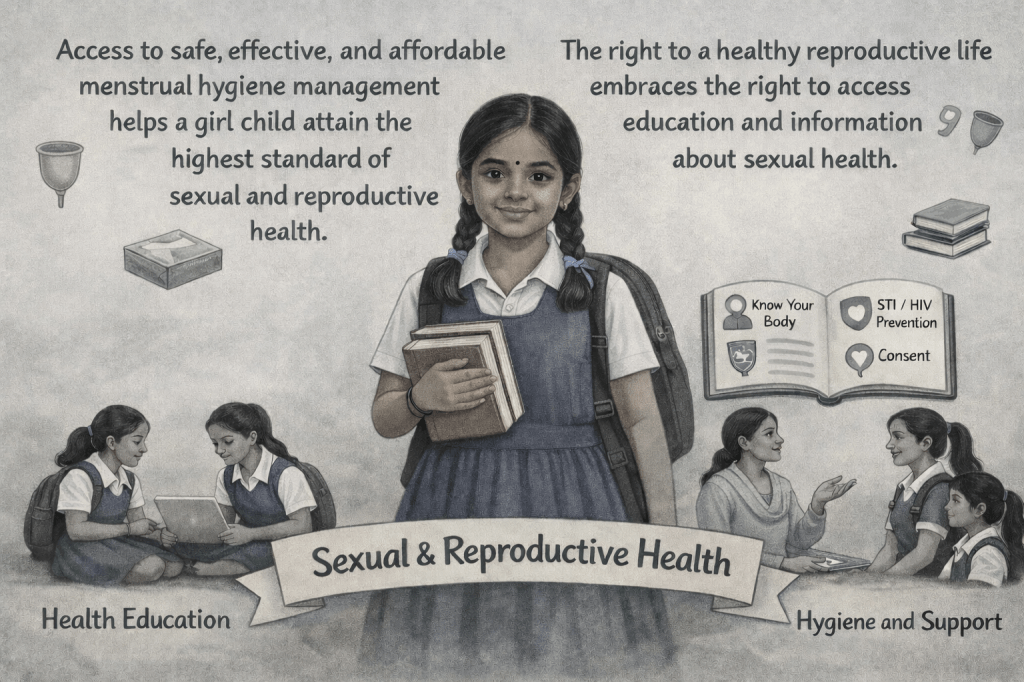
“Access to safe, effective, and affordable menstrual hygiene management measures helps a girl child attain the highest standard of sexual and reproductive health. The right to a healthy reproductive life embraces the right to access education and information about sexual health.”
The Supreme Court’s recognition of menstrual hygiene as a fundamental right under Article 21 seems clearly applicable to Child Care Institutions (CCIs) housing girl children, even though the case arose in the context of schools.
The Court held that access to menstrual hygiene products, safe sanitation facilities, privacy and disposal mechanisms is an essential component of the right to life, health, dignity, and equality. These constitutional guarantees are universal and apply to all girls, regardless of whether they reside in schools, hostels, CCIs, or other institutional settings. CCIs, in fact, assume a parental and custodial responsibility for children in their care and therefore bear a heightened duty to protect their physical and emotional well-being.
This obligation is further reinforced by the Juvenile Justice (Care and Protection of Children) Act, 2015, particularly the principles of the best interest of the child, dignity, non-discrimination, and gender-sensitive care under Section 3, as well as Section 39, relating to rehabilitation with due regard to age and gender. The JJ Model Rules and Mission Vatsalya guidelines also mandate adequate health, hygiene, and privacy standards for children residing in CCIs.
Accordingly, CCIs that house adolescent girls are legally required to ensure uninterrupted access to sanitary products, functional toilets with water and disposal facilities, privacy, counselling, and sensitization. Denial or inadequacy of menstrual hygiene facilities in CCIs would amount to a violation of both constitutional rights and statutory child protection norms.
-
Roots That Shape Childhood
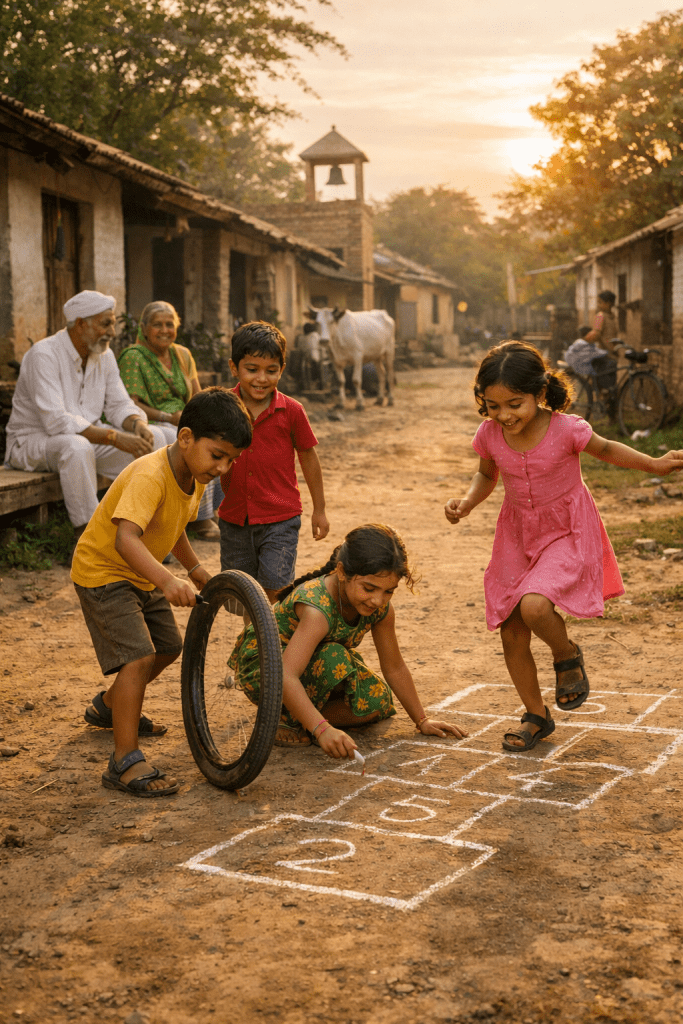
In a small town tucked between fields and a quiet river, children grew up knowing every face and every footpath. The morning began with bicycles creaking down narrow lanes, school bells echoing softly, and neighbours calling out reminders to eat breakfast. Becoming visible and feeling a part of the community brought comfort.
Children spent evenings playing under open skies, inventing games with stones, chalk, and imagination. Elders watched from doorsteps, correcting gently and guiding firmly. When a child stumbled, many hands reached out. Mistakes were noticed early, not ignored, and lessons were learnt without shame.
In this town, attachment grew naturally. Children felt rooted to their families, teachers, and surroundings. They listened to stories from grandparents, absorbed values through daily life, and learnt responsibility by helping one another. There were fewer temptations to lose their way and more reminders of who they were and where they belonged.
As they grew, these children carried something precious: emotional stability, empathy, and resilience. The small town did not limit their dreams; it strengthened them. With strong bonds and clear guidance, they stepped into the wider world grounded and confident, supported by roots that continued to guide their choices.
-
Codependency & Healthy Development
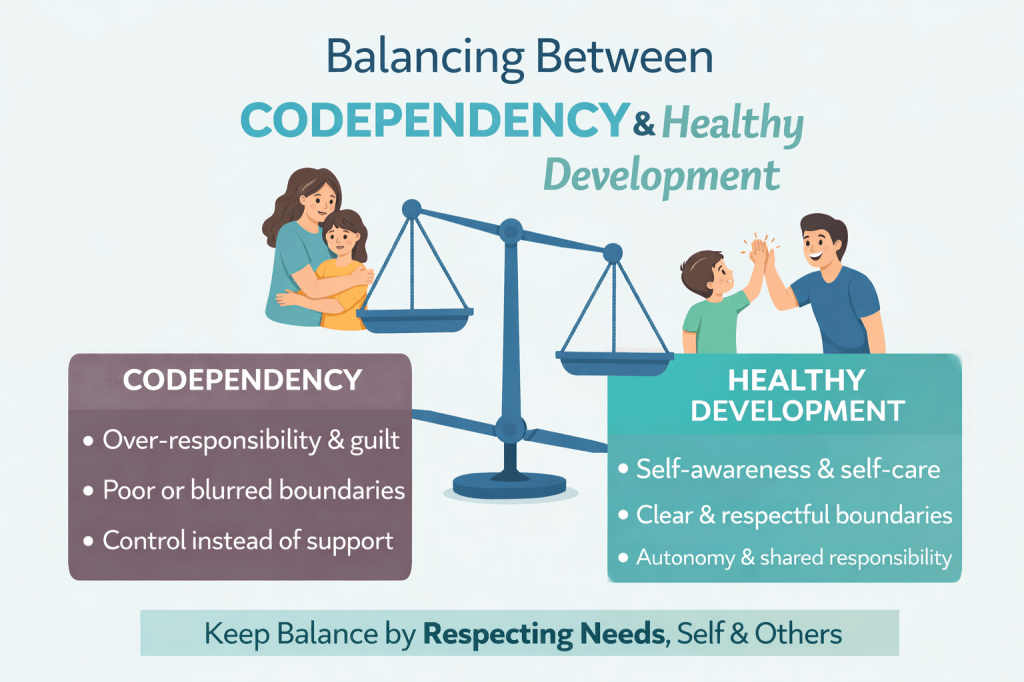
Codependency is generally considered negative, though it often grows out of positive intentions like care, loyalty, and responsibility. Balancing between codependency and healthy development requires learning how to care for others without losing oneself. The key difference lies in boundaries. Healthy development allows a person to support, guide, and nurture others while also recognising their own needs, limits, and responsibilities.
The first step is self-awareness. Understanding one’s emotions, triggers, and patterns of over-responsibility helps prevent slipping into excessive caregiving or control. Care should be offered as support, not as a duty driven by guilt or fear of rejection.
Clear boundaries are essential. Boundaries help define what belongs to us and what belongs to others. When individuals respect these limits, children and adults alike are encouraged to develop independence, problem-solving skills, and self-confidence.
Another important aspect is shared responsibility. Healthy relationships distribute emotional and practical responsibilities fairly, rather than placing them on one person. This is especially important in families and caregiving settings involving children.
Encouraging autonomy supports healthy development. Children should be guided, not rescued from every difficulty. Allowing age-appropriate choices and mistakes helps them build resilience and emotional strength.
Finally, self-care and reflection are not selfish. They sustain emotional balance and prevent burnout. When care is rooted in respect, balance, and mutual growth, it moves away from codependency and toward healthy, interdependent development.
-
Heritage Tour for Internationally Adopted Children

A heritage tour for Indian children adopted abroad is important for helping them understand their roots and build a strong sense of identity. While adoption provides love, security, and family, it also involves separation from India’s culture, language, traditions, and early environment. As these children grow up in another country, they may feel curious or confused about where they come from.
Visiting India allows adopted children to experience their birth culture in a real and respectful way. Seeing Indian food, festivals, places, and everyday life helps them connect their personal history with their present life. It reduces imagination and misunderstanding about their origins and replaces it with understanding and acceptance.
Such visits do not weaken bonds with adoptive parents. When adoptive families support heritage tours, children feel safe to ask questions and express feelings. This openness often strengthens trust within the family. Heritage tours also help children feel proud of their Indian identity, rather than feeling different or isolated in their country of residence.
For Indian adopted children living abroad, understanding their roots supports emotional well-being and self-confidence. Heritage tours help them carry their Indian heritage with dignity while growing into secure and balanced adults. Over time, such children often become natural ambassadors of India’s rich culture and traditions in their countries of residence. By sharing positive stories of belonging, identity, and family, they also help promote a deeper and more humane understanding of inter-country adoption as a legitimate and valuable way of strengthening families across borders.
-
Listening Without Judgment: Engaging Older Children in Care
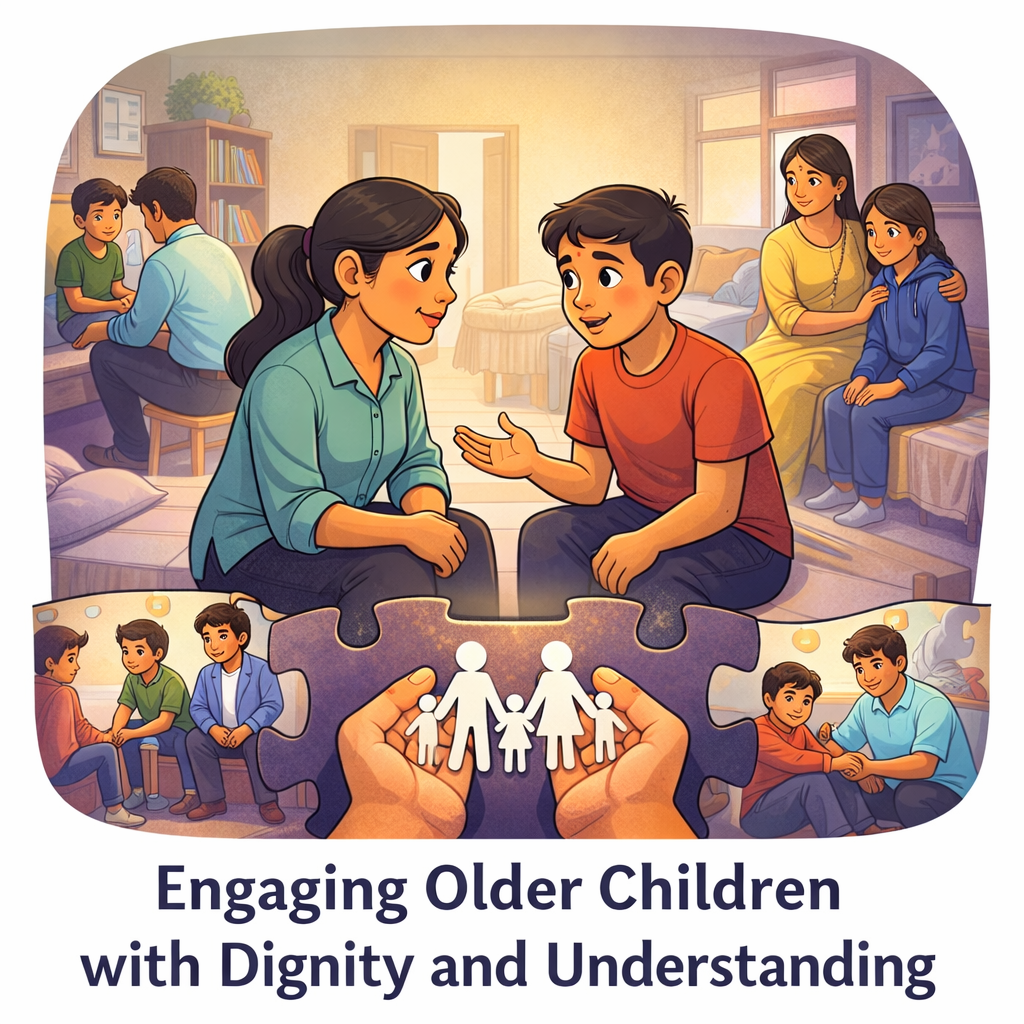
Participating with older children living in child care institutions requires an approach rooted in understanding rather than judgement. Many of these children have spent years navigating loss, separation, neglect, or repeated rejection. Their behaviours—such as resistance, silence, or anger—are often survival responses shaped by experience, not signs of defiance or unwillingness to change. Recognising this is the first step toward genuine engagement.
A non-judgemental approach involves listening attentively, acknowledging emotions, and respecting the child’s perspective. Older children, in particular, need to feel that their opinions matter and that they are partners in decisions about their education, care, and future planning. When adults avoid labels and assumptions, children are more likely to open up and participate constructively.
In institutional settings, where routines and rules can sometimes overshadow relationships, empathetic engagement helps restore dignity and self-worth. It builds trust between children and caregivers, making counselling, education, and life-skills preparation more effective. Over time, children begin to see themselves as capable individuals with choices and possibilities ahead. Engaging older children without judgment transforms care from mere supervision into meaningful support, enabling them to heal, develop confidence, and prepare for a stable and independent life beyond institutional care.
-
Head and Heart in Harmony: Restoring Hope for Abused and Neglected Children
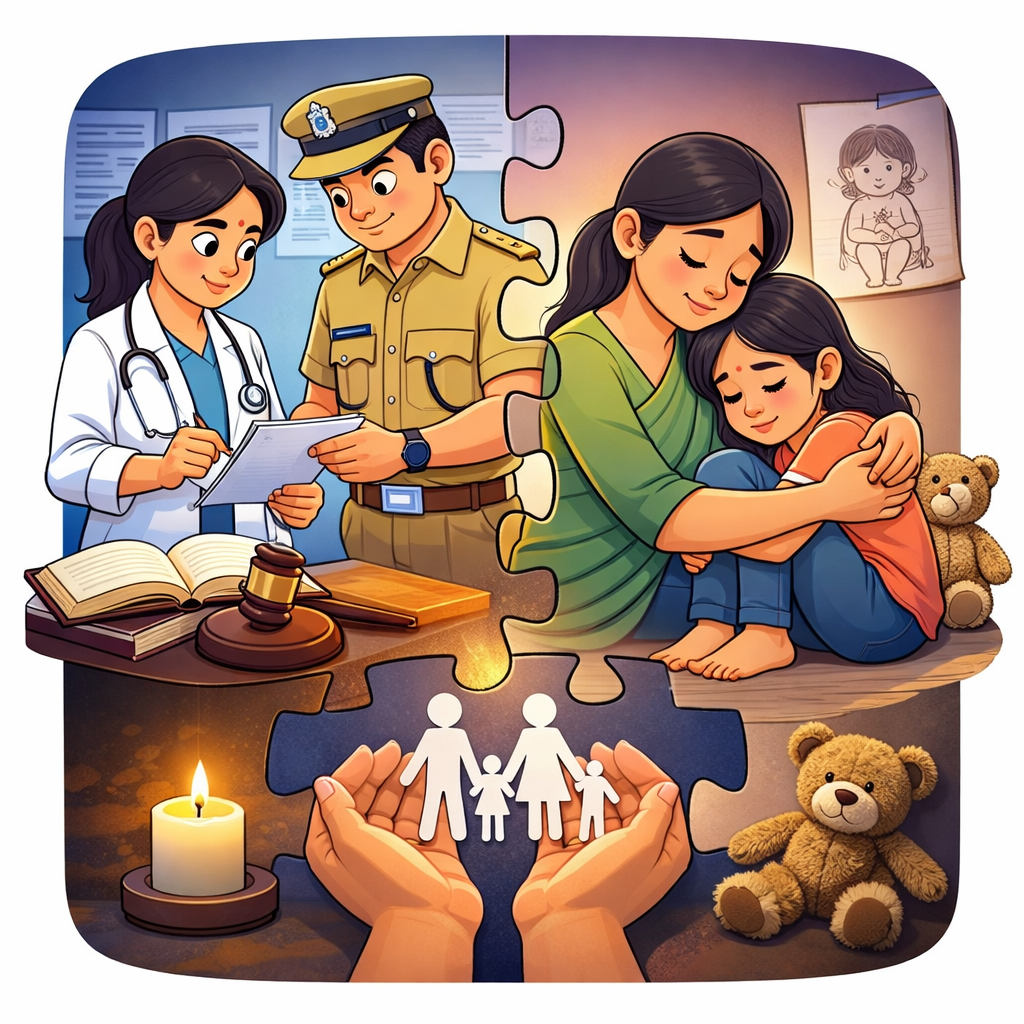
The lives of abused and neglected children can be transformed when care is guided by both head and heart. The head stands for informed judgment, professional knowledge, and a clear understanding of child protection laws and procedures. In the Indian context, this includes timely identification of abuse, proper reporting, legal safeguards, and coordinated responses by child welfare committees, police, health services, and social workers. Structured interventions, evidence-based rehabilitation plans, and long-term monitoring are essential to protect children from further harm and to restore their sense of safety.
The heart brings empathy, patience, and deep respect for the child’s pain and silence. Abused and neglected children often carry fear, shame, and mistrust. They need adults who listen without judgement, believe their experiences, and offer consistent emotional support. Compassionate care helps children rebuild trust in relationships and regain confidence in themselves. In a society where stigma and silence often surround abuse, the heart plays a crucial role in creating safe spaces for healing.
When head and heart work together, protection becomes meaningful and healing becomes possible. Children are not only rescued from harm but are supported to recover, grow, and dream again. This balanced approach can reshape their destinies, turning trauma into resilience and vulnerability into strength.
-
Second best mother?
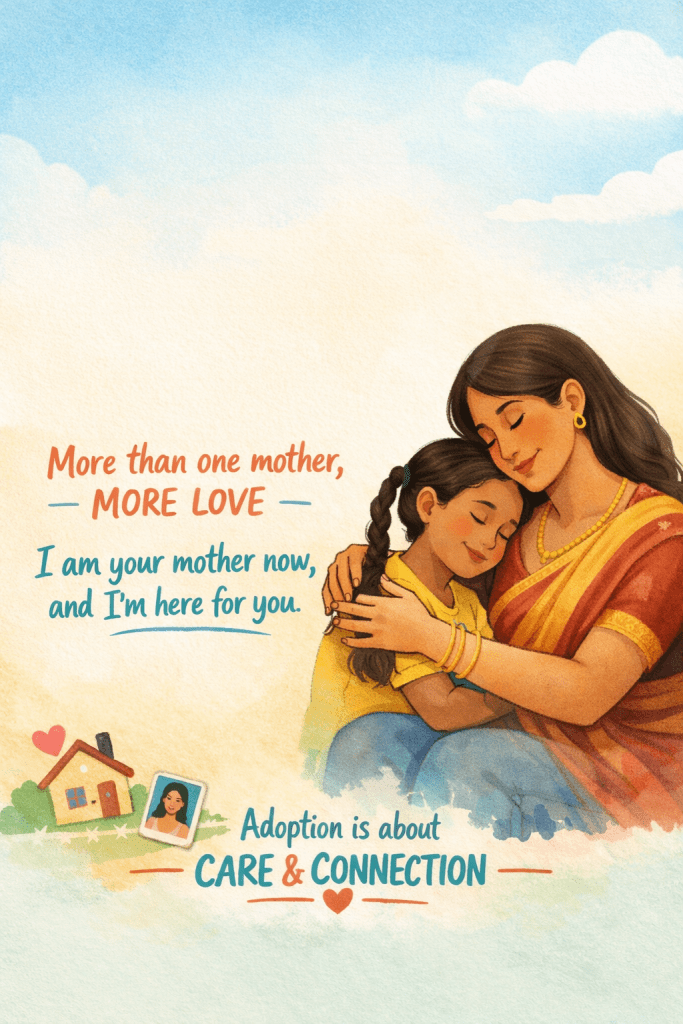
When an adoptive mother says, “I am the second-best mother,” it usually comes from emotion, not from lack of love. Many adoptive mothers say this out of respect for the child’s birth mother, recognising that the child had a life and a story before adoption. It can also reflect the pressure society places on biological motherhood, which may make adoptive mothers doubt their own role, even when they are deeply committed to the child.
In some cases, the statement is linked to sensitivity toward the child’s loss. Adoption always involves separation, and adoptive parents may use such words to show that they are not trying to replace or erase the child’s past. This is especially common when adopting older children who remember their early experiences.
However, using the phrase repeatedly can confuse a child. Children may begin to feel that love is ranked or that their place in the family is uncertain. What children need most is emotional safety and clarity.
Adoption professionals stress that motherhood in adoption is not about being “first” or “second.” It is about care, presence, and responsibility. Healthier language would be: “You have more than one mother, and that means more love,” or “I am your mother now, and I will always stand by you.”
-
Book Promotion
EVERY CHILD DESERVES A LOVING FAMILY (VOL-2)
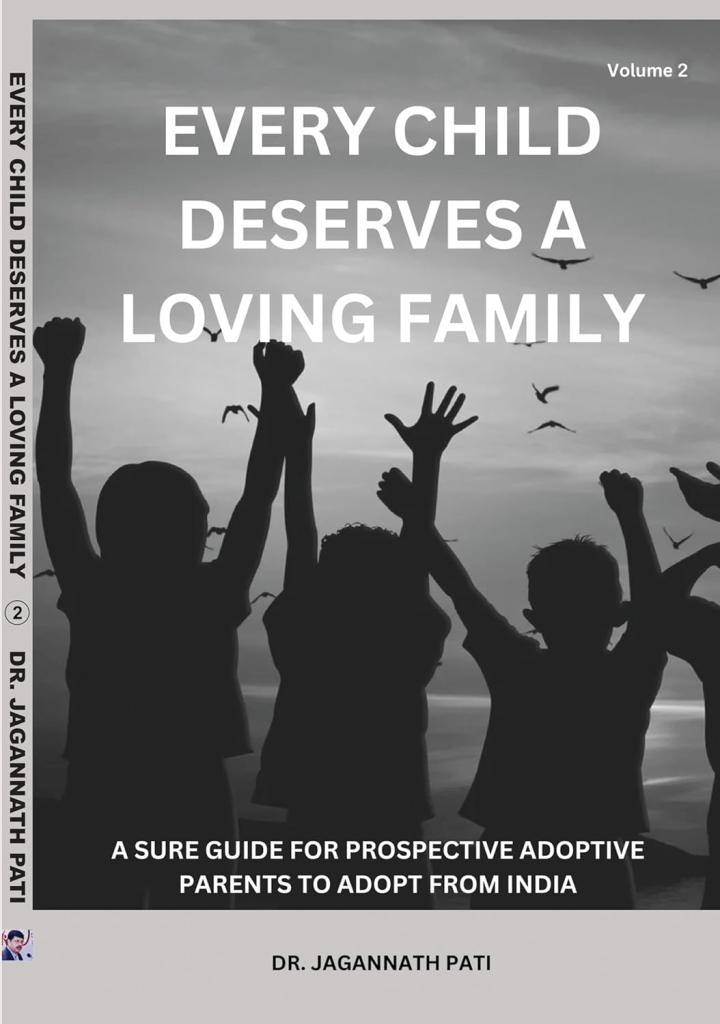
The book offers a comprehensive guide to the adoption
process, covering everything from the initial steps to
finalisation and beyond. Understanding the legal, emotional,
and practical aspects of adoption is crucial for both
prospective and adoptive parents, and it’s great to see that
the book addresses these topics in depth. -
Institutions Harm Children
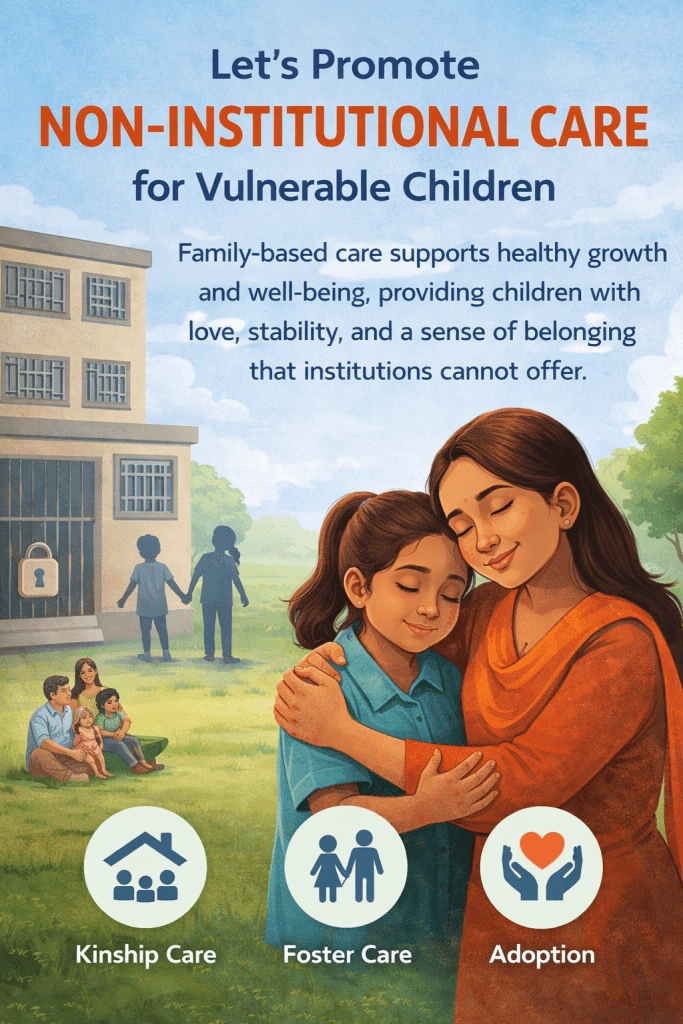
Long periods of institutional care can seriously harm children and affect their overall development
Institutions, even when well-managed, are unable to provide the consistent love, attention, and personal care that a family offers When children grow up in institutions for many years, they often miss these essential experiences.
Extended institutionalization can slow emotional and social development. Children may struggle to form attachments, manage emotions, or trust others. Many also face delays in learning, communication, and decision-making because care in institutions is usually shared among many children and does not respond fully to individual needs. Older children are especially vulnerable, as they may begin to see institutional life as permanent, which can reduce confidence, motivation, and hope for the future.
Long stays in institutions can also affect a child’s sense of identity and belonging. Without family connections, children may feel isolated from society and unprepared for independent adult life. For these reasons, child protection systems worldwide recognise that institutional care should be used only when absolutely necessary and for the shortest possible time.
Family-based alternatives such as kinship care, foster care, and adoption provide children with better opportunities for healthy growth, stability, and long-term well-being.
Let us promote non-institutional care as the preferred option for children who cannot remain with their biological families. Family-based care such as kinship care, foster care, and adoption, provides children with love, stability, and a sense of belonging that institutions cannot fully offer. Growing up in a family environment supports healthy emotional, social, and cognitive development and helps children build trust and confidence.
-
Child Protection Risks in Online Gaming in India

Online gaming has become an integral part of children’s digital lives in India, enabled by widespread smartphone access and affordable internet connectivity. Gaming platforms increasingly function as social spaces where children interact, collaborate, and form identities. While these environments offer developmental and social benefits, they are also being misused by organized criminal networks to groom, influence, and recruit children into unlawful and violent activities.
Such practices undermine the objectives of the Juvenile Justice (Care and Protection of Children) Act, 2015, which mandates protection of children from exploitation, abuse, and exposure to criminal behaviour. The Information Technology Act, 2000, along with India’s cybercrime prevention frameworks, establishes regulatory responsibility for addressing online harms, intermediary accountability, and unlawful digital content. However, the scale, anonymity, and immersive nature of gaming platforms present enforcement and detection challenges.
Key vulnerabilities include unmoderated communication features, weak age-verification systems, and limited awareness among children, parents, and frontline child protection actors. Addressing these risks requires coordinated action among regulators, gaming companies, law enforcement agencies, child protection institutions, and civil society.
Message
Policy responses should focus on strengthening platform safeguards, child-friendly reporting mechanisms, digital literacy, and integration of online exploitation indicators into existing child protection and cybercrime systems. Protecting children’s right to play must remain inseparable from safeguarding their right to safety, dignity, and freedom from violence.
-
From Intention to Reality: Understanding Intercountry Adoption of Indian Children
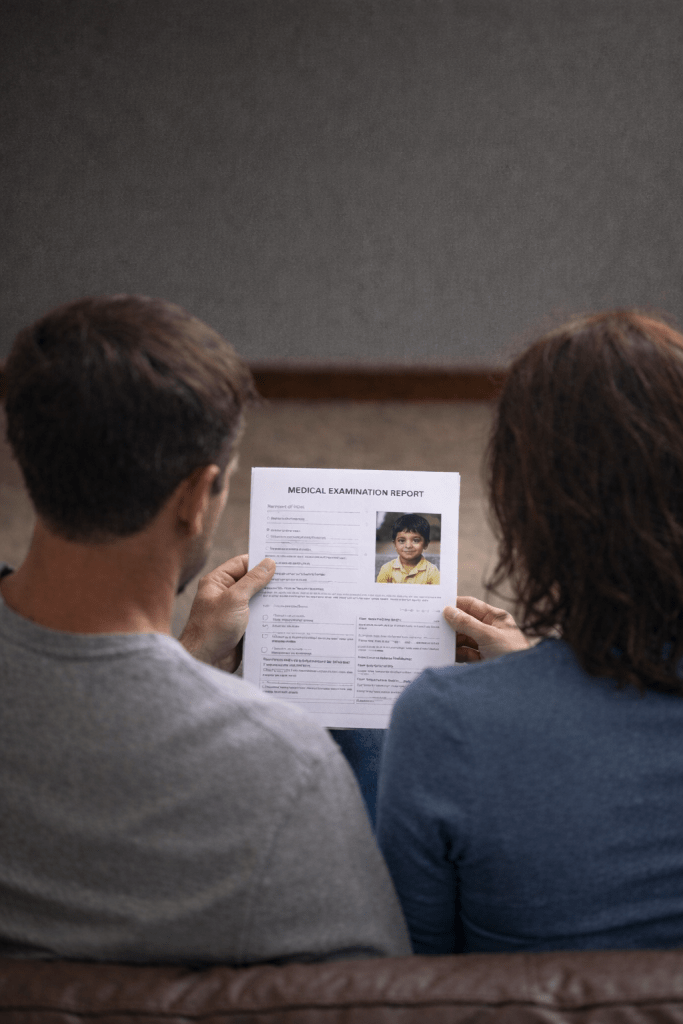
Families who consider intercountry adoption from India often begin with similar motivations and assumptions. Prospective Adoptive Parents (PAPs) are generally driven by concern for the large number of children in institutional care who require permanent families. However, as PAPs engage with the Indian adoption system, initial expectations gradually give way to lived realities shaped by law, regulation, and child-specific circumstances.
Many PAPs initially assume they can select the profile of a child and then choose India as a sending country. In practice, intercountry adoption from India is highly regulated under the Juvenile Justice Act, 2015, and the Adoption Regulations, with strict eligibility criteria for PAPs and clearly defined child profiles. India prioritises adoption by Indian PAPs residing in India, as well as NRI and OCI PAPs . The children cleared for intercountry adoption by foreigners are typically older, part of a sibling group, or have identified special needs. There are certain relaxations for PAPs desiring to adopt children with special needs; they need not wait in the queue.
Children with special needs are prioritised for adoption, and the regulatory relaxation is health-related, requiring particular sensitivity. Under the Adoption Regulations, 2022, a child with special needs is defined as one whose health status has been certified by the District Chief Medical Officer. Special needs include physical, mental, intellectual, emotional, sensory, medical, or developmental conditions, whether congenital or acquired, that may also arise from trauma or institutionalisation. The assessment is based on available medical and developmental information at the time . Such children are prioritised for adoption, and regulatory relaxation is provided to prospective adoptive parents.
PAPs must approach adoption with realism, preparedness, and humility—supported by thorough pre-adoption training, post-adoption support systems, and a clear action plan. Ultimately, adopting a child is a lifelong commitment made with an informed decision and an open mind.
 Safe Childhood India